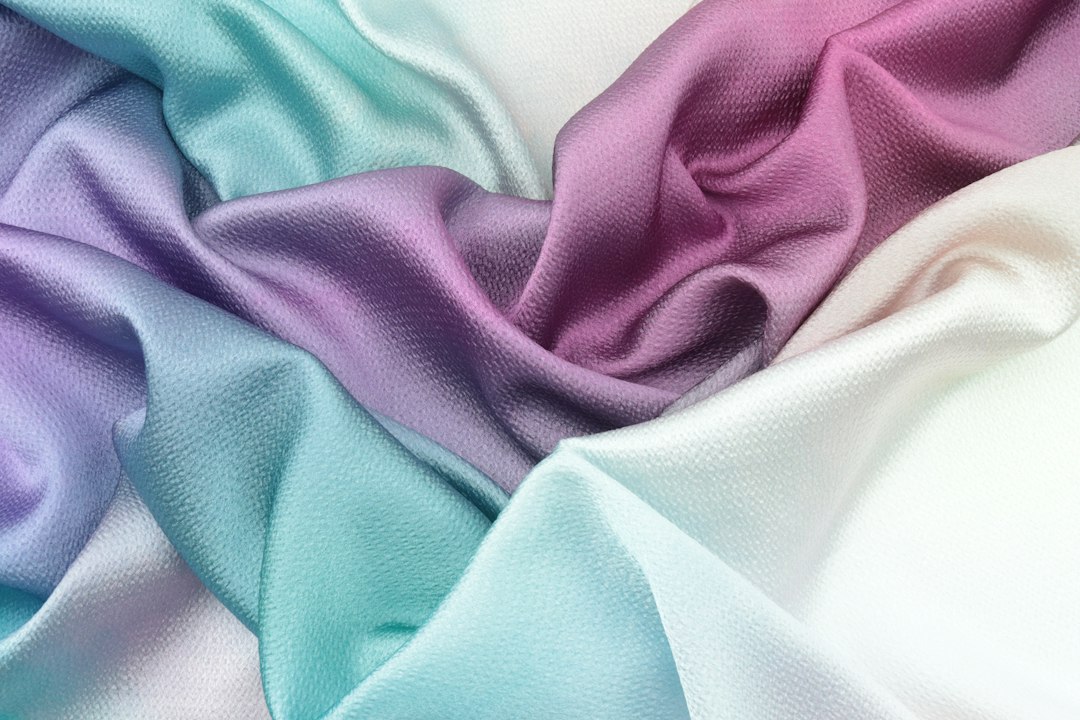
Where should you buy silk or have clothes made to measure in Hanoi in 2026? Start on Hàng Gai Street for convenient central shopping, explore Vạn Phúc for the city’s weaving heritage, and allow enough time for fittings if you want a garment made specifically for you. This guide explains how to choose fabrics, compare tailors, avoid misleading silk labels and plan an order around your departure date.
This is Part 8 of our Shopping & Fashion in Hanoi series. For more shopping ideas, see our fashion streets guide and guide to clothing and fabric markets.
Where to go: quick comparison
| Destination | Best for | Time to allow |
|---|---|---|
| Hàng Gai | Scarves, áo dài, custom clothing | 1–2 hours plus fittings |
| Vạn Phúc silk village | Textiles and weaving heritage | Half a day |
| Chợ Hôm fabric market | Comparing fabric types and prices | 1–2 hours |
| Specialist tailors | Shirts, trousers, jackets and suits | Several days or longer |
1. Hàng Gai Street: silk shopping in the Old Quarter
A short walk from the northern end of Hoàn Kiếm Lake, Hàng Gai is a convenient place to compare silk accessories, finished clothing, embroidery and tailoring services. Its historic name refers to hemp, although silk is now the street’s best-known specialty. See the Vietnam Tourism street guide for background.
Visit several shops before ordering. Compare fabric composition rather than just color and shine. Ask whether the garment will be made in-house or sent to another workshop, and whether adjustments are included. A scarf or tie is a straightforward purchase for a short visit; a fitted dress requires more planning.
Find on Google Maps. Combine your visit with our Old Quarter walking guide.
2. Vạn Phúc silk village: discover Hanoi’s weaving heritage
Approximately 10 km southwest of central Hanoi, Vạn Phúc in Hà Đông is a longstanding silk-producing community. In August 2026, Hanoi formally recognized it as a tourist destination, according to the Vietnam News Agency. The village combines textile shops, working production facilities and cultural heritage.
Look for woven patterns, scarves, fabric sold by length and contemporary accessories. Ask permission before entering a working studio or photographing artisans. A visit to a weaving workshop is worth arranging in advance, because public access is not guaranteed. Vun Art, a cooperative using textile offcuts in creative work, is another interesting craft-related stop.
Find on Google Maps. Allow a half-day including transport, and check traffic before leaving. The village’s reputation does not guarantee that every fabric sold there is locally woven or pure silk.
3. Chợ Hôm: buy fabric before visiting a tailor
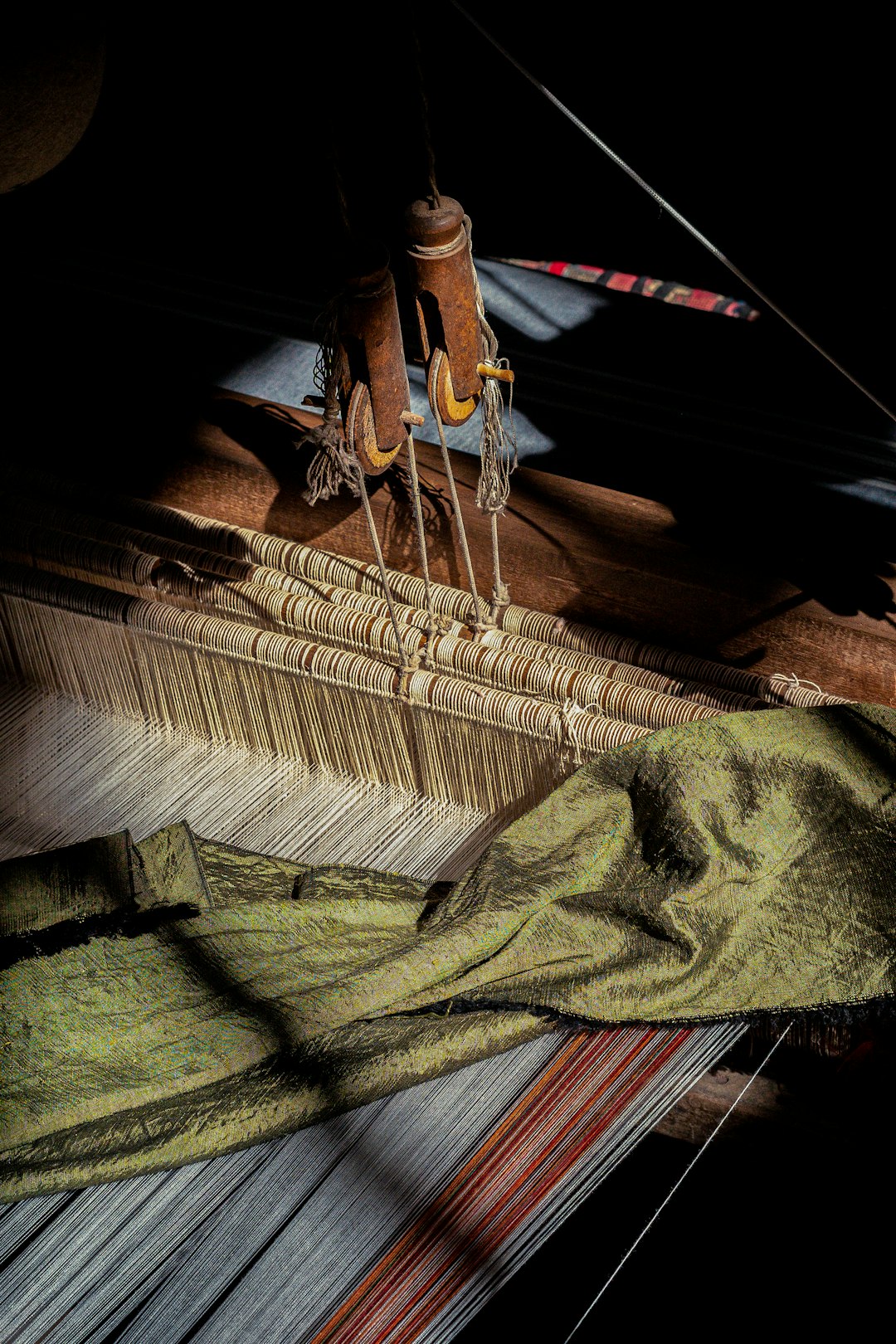
Chợ Hôm is a useful starting point for comparing cloth, including cotton, linen-like fabrics, synthetics and blends. If you plan to buy material separately, consult your tailor first. Required yardage depends on the fabric width, garment size, pattern direction, lining and whether the cloth needs to be prewashed.
Find on Google Maps. Ask sellers to identify fiber content and price per metre. Keep the receipt and a small sample if available. See our fabric markets article for more options.
4. How to choose a tailor in Hanoi
Choose a specialist for the garment you want: a tailor experienced in áo dài may not be the best choice for a structured business suit. Ask to see completed examples, preferably garments similar to your desired cut. Inspect buttonholes, seam finishing, lining, pattern matching and pressing. Recent reviews with photographs can help, but a conversation about construction and fitting is more informative than a star rating alone.
Bring a reference photograph or a garment that already fits you well. Explain whether you prefer a relaxed or close fit, where you want the waistline and how much room you need for movement. For jackets, discuss shoulder structure, lining and pocket placement. For trousers, specify rise, leg width and hem length.
5. Silk, satin and blends: what is the difference?
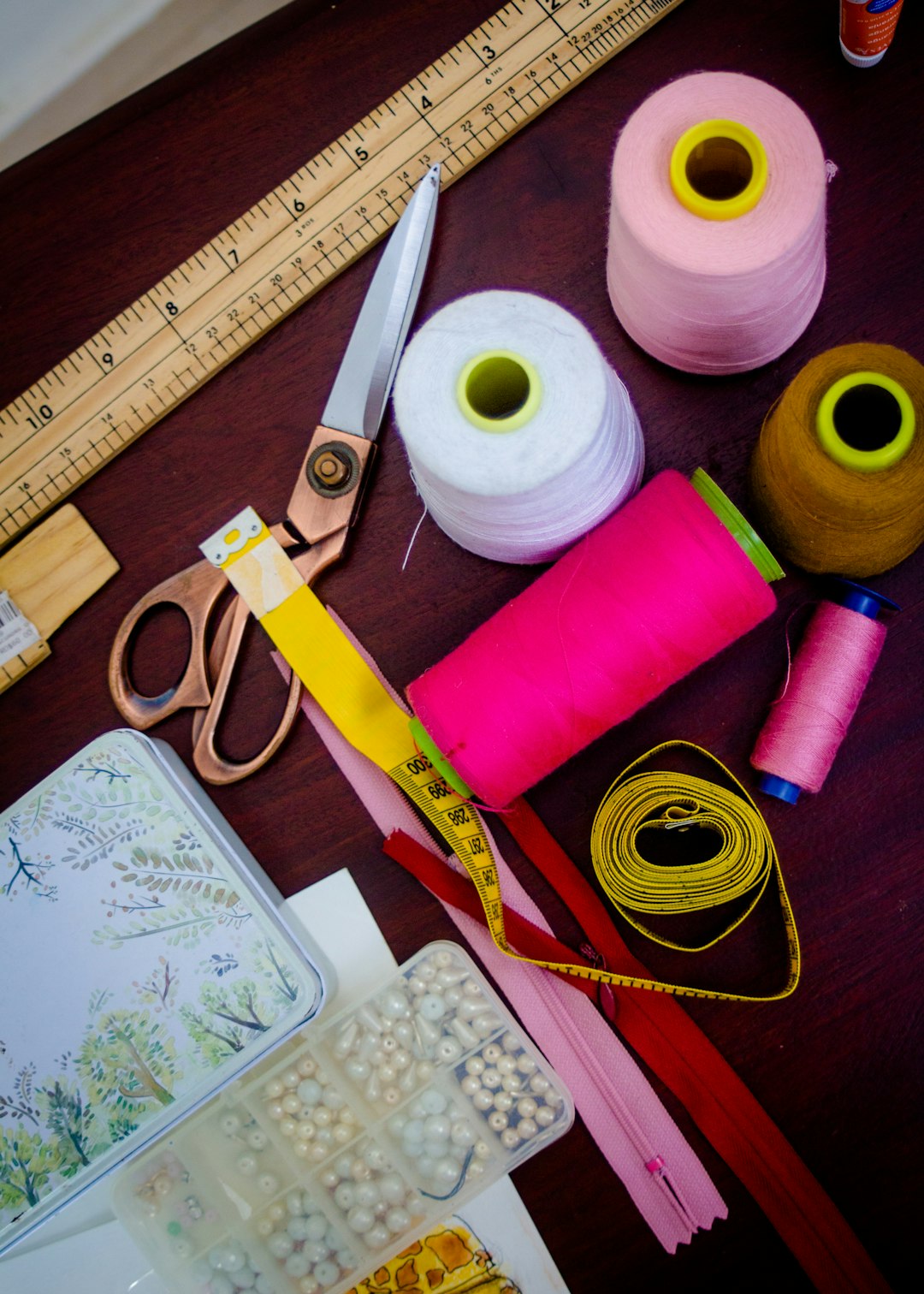
Silk is a natural protein fiber. Satin describes a weave, not a fiber: satin can be made from silk, polyester or other materials. A shiny fabric is not proof of silk. Brocade describes a patterned woven fabric and likewise does not guarantee a particular fiber composition.
Ask for a written fiber declaration, country of manufacture and care instructions. Compare drape and texture, but do not rely on touch alone to establish authenticity. If provenance is important, ask whether the fabric was woven in Vạn Phúc and whether the seller can identify its producer. Avoid destructive tests on shop merchandise.
6. How much should you budget?
For a made-to-measure áo dài, a published travel guide suggests roughly 1,000,000 to over 3,500,000 VND depending on material and detailing (reference). Treat this as a broad planning range, not a verified quotation. Scarves, fabric by the metre, shirts and suits vary too widely to promise a single reliable price. Pure silk, embroidery, high-quality lining and complex construction can significantly increase the total.
Request two or three written quotes specifying fabric, labor, lining, buttons, fittings and delivery. Confirm whether the deposit is refundable, what happens if the garment does not fit and whether alterations cost extra. Do not pay the final balance before inspecting the completed order where possible.
7. A realistic fitting schedule
Day 1: choose the tailor, fabric and design; agree the total cost and deadline. Day 2–3: attend the first fitting if the tailor confirms this timetable. Day 3–5: return for adjustments and collection if feasible. Structured jackets, elaborate embroidery and multiple garments may require substantially longer. This is an example schedule, not a guaranteed turnaround.
Leave at least a spare day before your flight for corrections. If you have only one night in Hanoi, buy ready-made clothing instead of accepting an unrealistic rush order. At the fitting, sit down, raise your arms, walk and check the garment in natural light. Bring the shoes and undergarments you intend to wear with it.
8. Useful Vietnamese phrases
| Vietnamese | English |
|---|---|
| Lụa tơ tằm 100%? | 100% natural silk? |
| Bao nhiêu tiền một mét? | How much per metre? |
| May đo theo yêu cầu | Made to measure |
| Khi nào thử đồ? | When is the fitting? |
| Giá này đã bao gồm vải chưa? | Does this price include fabric? |
9. Caring for silk after your trip
Follow the garment’s care label. Some silk can be gently hand-washed, while structured or embellished garments may require professional cleaning. Avoid prolonged direct sunlight, aggressive detergents and high heat. Store clean garments in a dry, ventilated place, and retain a fabric sample for future repairs.
Frequently asked questions
Is Hanoi a good place for custom clothing?
Yes, particularly if you allow time to compare workmanship and attend fittings. Choose a specialist rather than assuming every silk shop is a full-service tailor.
Is Vạn Phúc better than Hàng Gai?
Vạn Phúc is better for exploring weaving heritage; Hàng Gai is convenient for travelers staying near the Old Quarter. Neither guarantees pure silk without checking the individual product.
Can I have an áo dài made in two days?
Some simple orders may be possible, but availability and complexity determine the deadline. Confirm directly and leave time for adjustments.
Can I bring my own fabric?
Many tailors may accept it. Ask first about fabric suitability, required length and responsibility for defects.
Continue exploring Hanoi fashion
Discover independent Vietnamese designers, Hanoi Night Market and our introduction to clothes shopping. Next: Part 9 — Cheap Shopping in Hanoi: Where to Find Fashion on a Budget — 2026.