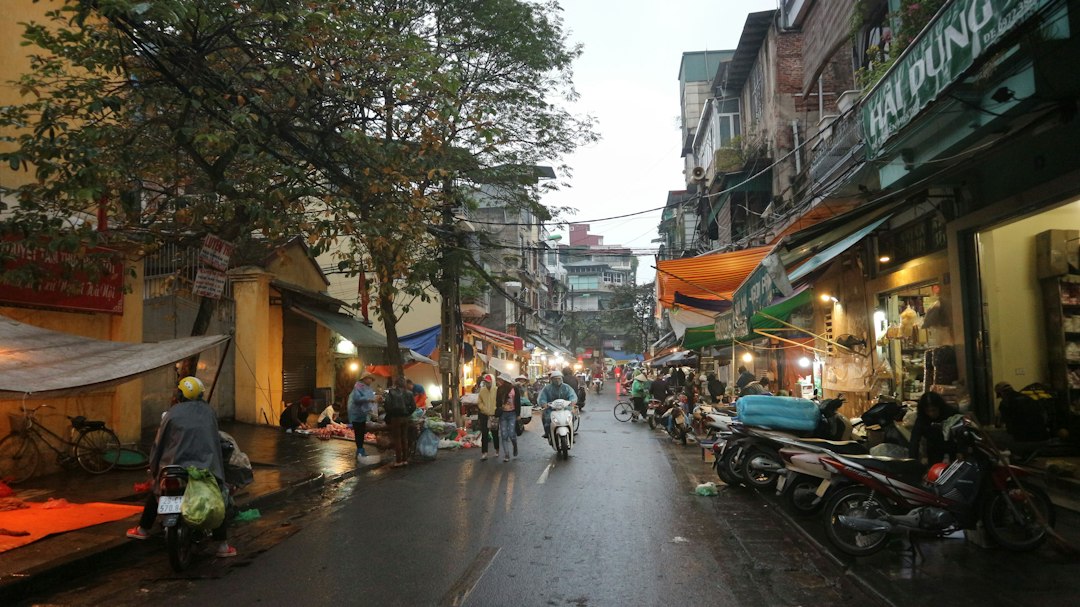
Hanoi Old Quarter is not an open-air museum. It is a living neighbourhood where a family breakfast, a delivery scooter, a centuries-old temple and a fashionable coffee shop can share the same few metres of pavement. The best way to discover it is to walk slowly, look above the shop signs, turn into small lanes and allow time for food, conversation and unexpected stops.
This Hanoi Old Quarter guide for 2026 explains the famous “36 streets”, the essential sights, a self-guided walking route, the best time to visit, where to eat, what to buy and how to enjoy the area without getting overwhelmed. It is Part 7 of the Hanoi Traveler’s Guide 2026. For a wider itinerary, see our 3-day Hanoi plan.
Hanoi Old Quarter at a glance
- Where: North and northeast of Hoàn Kiếm Lake, in central Hanoi.
- Time needed: 2–3 hours for a highlights walk; half a day if you visit heritage sites, eat and shop.
- Best times: Early morning for daily life; late afternoon for comfortable wandering; weekend evenings for pedestrian streets.
- Price: Exploring the streets is free; individual museums, heritage houses and shows may charge admission.
- Best for: Street photography, architecture, history, shopping, coffee, food and simply watching Hanoi.
Start here: Hanoi Old Quarter on Google Maps. Keep the map handy, but do not follow it so closely that you miss the streets around you.
What is Hanoi’s Old Quarter? Understanding the “36 streets”
The Old Quarter grew as a commercial district beside the old imperial capital of Thăng Long. Artisans and merchants grouped by trades, giving many streets names beginning with Hàng — roughly “merchandise” or “shop”. The familiar phrase “36 streets” refers to this historic network of guild streets, not a modern district with exactly 36 roads.
Some specialisations are still easy to recognise. Hàng Bạc is associated with silver and jewellery; Hàng Mã with paper offerings and festival decorations; Hàng Gai with silk and textiles; and Lãn Ông with herbal medicines. Elsewhere, mobile-phone shops, cafés, boutique hotels and fashion stores have replaced the original crafts. That mixture is part of the story, not a reason to dismiss the neighbourhood as inauthentic.
Look above street level: behind bright shop signs are wooden shutters, tiled roofs, narrow balconies, faded plaster, small shrines and the distinctive tube houses built on deep, narrow plots. The district is dense, but its buildings reveal layers of family and commercial life.
For a useful historical introduction, see the Vietnam National Authority of Tourism’s Old Quarter guide.
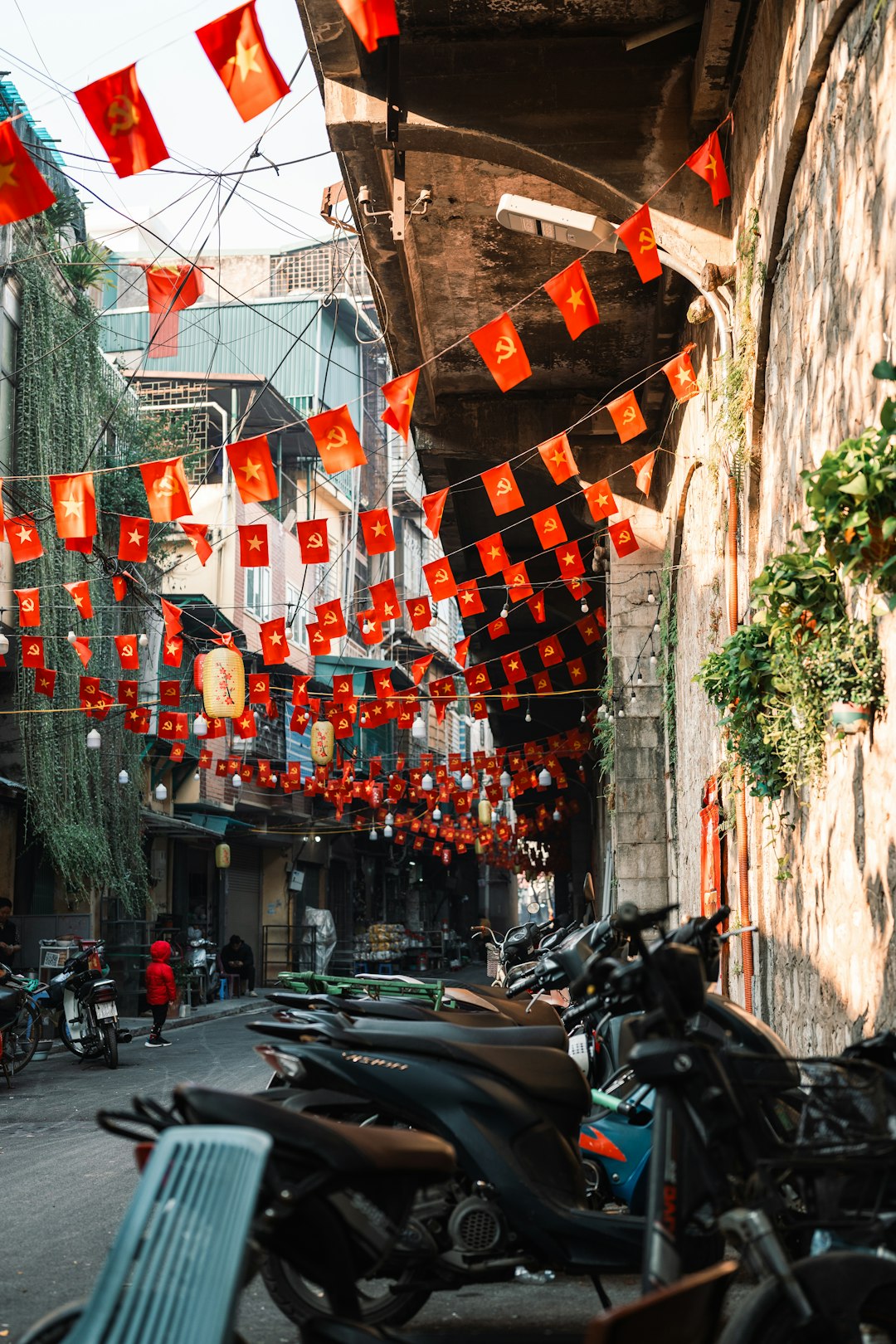
Best things to see in Hanoi Old Quarter
1. Hàng Bạc: Silver Street and old shopfronts
Hàng Bạc is one of the easiest places to understand the connection between street names and old trades. Jewellery shops still line parts of the street, but do not rush through just looking at display windows. Observe the narrow façades, the changes in floor height and the side alleys leading to quiet residential courtyards. Find Hàng Bạc.
2. Bạch Mã Temple: a peaceful stop amid the traffic
At 76 Hàng Buồm, Bạch Mã Temple is associated with the guardian spirit Long Đỗ and the old capital’s eastern protection. Its carved woodwork and ritual spaces offer a sharp contrast with the busy street outside. Dress respectfully, lower your voice and do not interrupt worshippers. Admission arrangements and opening times can change during festivals; check locally before planning a visit around a particular hour.
Links: Bạch Mã Temple map · Hanoi tourism information.
3. 87 Mã Mây Heritage House: see inside a tube house
From the street, Hanoi’s traditional merchant houses can look surprisingly small. The preserved house at 87 Mã Mây shows why: a narrow front opens into a sequence of rooms and courtyards stretching far back from the road. The layout balances business, family life, light, ventilation and ancestral worship.
Allow about 30–45 minutes to notice the timber structure, inner courtyards, furniture and different uses of space. The municipal visitor schedule published in 2025 lists daytime sessions with a midday closure and additional weekend evening sessions; as schedules and ticket prices may change, confirm at the entrance. See 87 Mã Mây on Google Maps.
4. Ô Quan Chưởng Gate: a surviving entrance to old Hanoi
On the eastern edge of the quarter, Ô Quan Chưởng is a surviving historic gate and a reminder that the trading district once connected to a walled urban world. Its present structure dates from the nineteenth century, and it makes an excellent short stop on a walk toward Đồng Xuân. Look from a safe place on the pavement; traffic can be intense around the junction.
5. Đồng Xuân Market: the working commercial heart
Near the northern end of the quarter, Đồng Xuân Market is a dense covered market for clothing, fabrics, household goods, dry foods and wholesale trade. The surrounding lanes are just as interesting as the main building, especially in the morning. Take time for a snack around Ngõ Đồng Xuân, but leave room for the rest of your walk.
For shopping details, opening-hour caveats and nearby alternatives, see Part 6 — Best Markets in Hanoi.
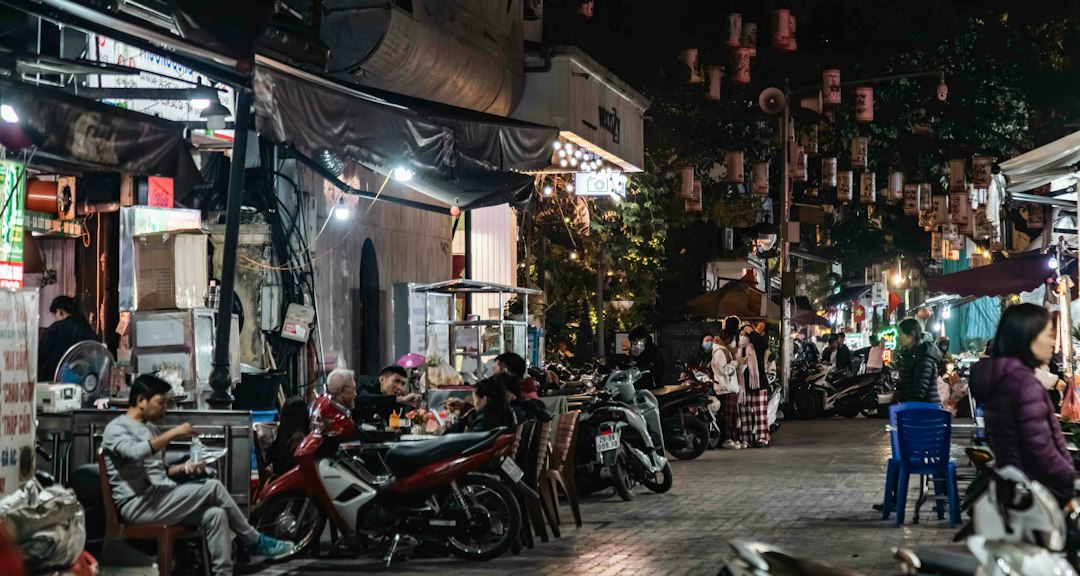
6. Hàng Mã: festival colours and paper decorations
Hàng Mã changes appearance with the calendar. At different times of year, shopfronts display lanterns, red-and-gold decorations, paper offerings and seasonal items for Tết or Mid-Autumn Festival. It is an especially rewarding street for colour and detail photography. Be considerate of shoppers and remember that some objects are religious offerings, not merely souvenirs.
7. Hàng Gai and Hàng Đào: shopping streets with history
For textiles, silk, gifts and a more visitor-oriented shopping experience, explore Hàng Gai and the streets running north from the lake. Check fabric labels carefully — not every item marketed as “silk” is pure silk. If you want a tailored garment, discuss fabric, fitting time and alterations before paying.
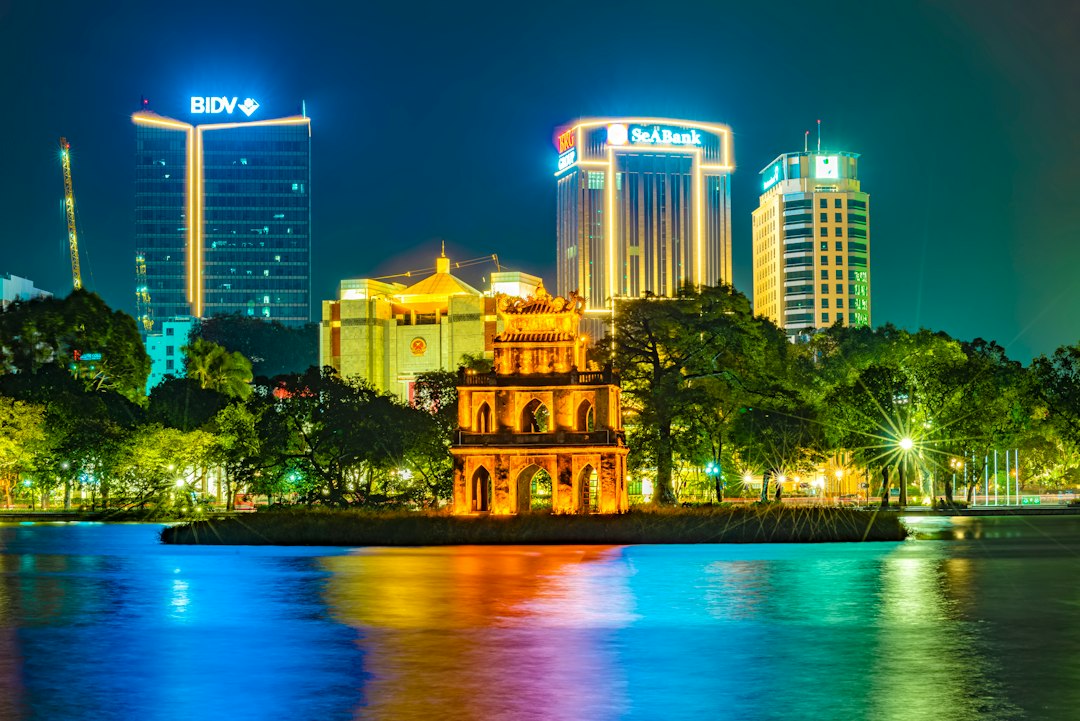
8. Hoàn Kiếm Lake: the Old Quarter’s southern anchor
Although the lake sits beside rather than inside the heart of the trading lanes, it is the natural beginning or end of an Old Quarter walk. Early mornings bring walkers and exercise groups; after sunset, couples and families circle the water, meet friends and stop for photographs. On weekends, pedestrian restrictions can make the lakeside especially enjoyable.
9. Mã Mây, Hàng Buồm and the little side alleys
Some of the most memorable Old Quarter moments happen between the famous stops. Around Mã Mây and Hàng Buồm, look for narrow alleys, family-run eateries, old doorways and small courtyards. You might see a shop opening for the morning, a bicycle loaded with produce or a group of neighbours having tea. These are working residential spaces: admire them without entering private homes or photographing residents through open doors.
10. St. Joseph’s Cathedral and the western edge
Walk southwest from the lake to reach the cathedral area, where Gothic Revival architecture, cafés and smaller lanes create a different atmosphere from the trade streets. It is a useful place to pause with a coffee, and it connects naturally to Hàng Bông and the western side of the Old Quarter. Respect religious services and any access restrictions.
A self-guided Hanoi Old Quarter walking tour (2–3 hours)
Follow this route on foot at a comfortable pace.
This is a compact walking route designed to show a range of streets without zigzagging across the entire centre. The actual walking distance is manageable, but allow extra time for traffic, photographs and food. You can reverse it if you are staying near Đồng Xuân.
- Start at the northern edge of Hoàn Kiếm Lake. Enjoy the view and orient yourself before entering the narrow streets.
- Walk north along Hàng Đào and Hàng Ngang. Notice how the shopfronts, goods and building styles change as you leave the lakeside.
- Turn toward Hàng Bạc. Look for jewellery shops and the older façades above street level.
- Continue to Mã Mây. Visit the heritage house at number 87 if it is open, or simply observe the architecture.
- Head to Bạch Mã Temple on Hàng Buồm. This is your main cultural stop.
- Continue north to Đồng Xuân Market. Explore the market and its surrounding food lanes.
- Finish via Ô Quan Chưởng Gate. From here you can return toward the lake or stop for lunch nearby.
Allow extra time for coffee, photographs and short heritage visits.
Route planning: Open the individual stops on Google Maps; for a multi-stop route, use this walking-directions link. The exact routing may shift with temporary pedestrian closures. Finish with a snack or a coffee.
What to eat in Hanoi Old Quarter
Street food is central to the experience. Try a cup of egg coffee between food stops.
Build a small food walk. Try pho, bun cha, banh cuon, cha ca, papaya salad and che for dessert. Many small stalls specialise in one dish, so watch what locals order and check prices before sitting down.