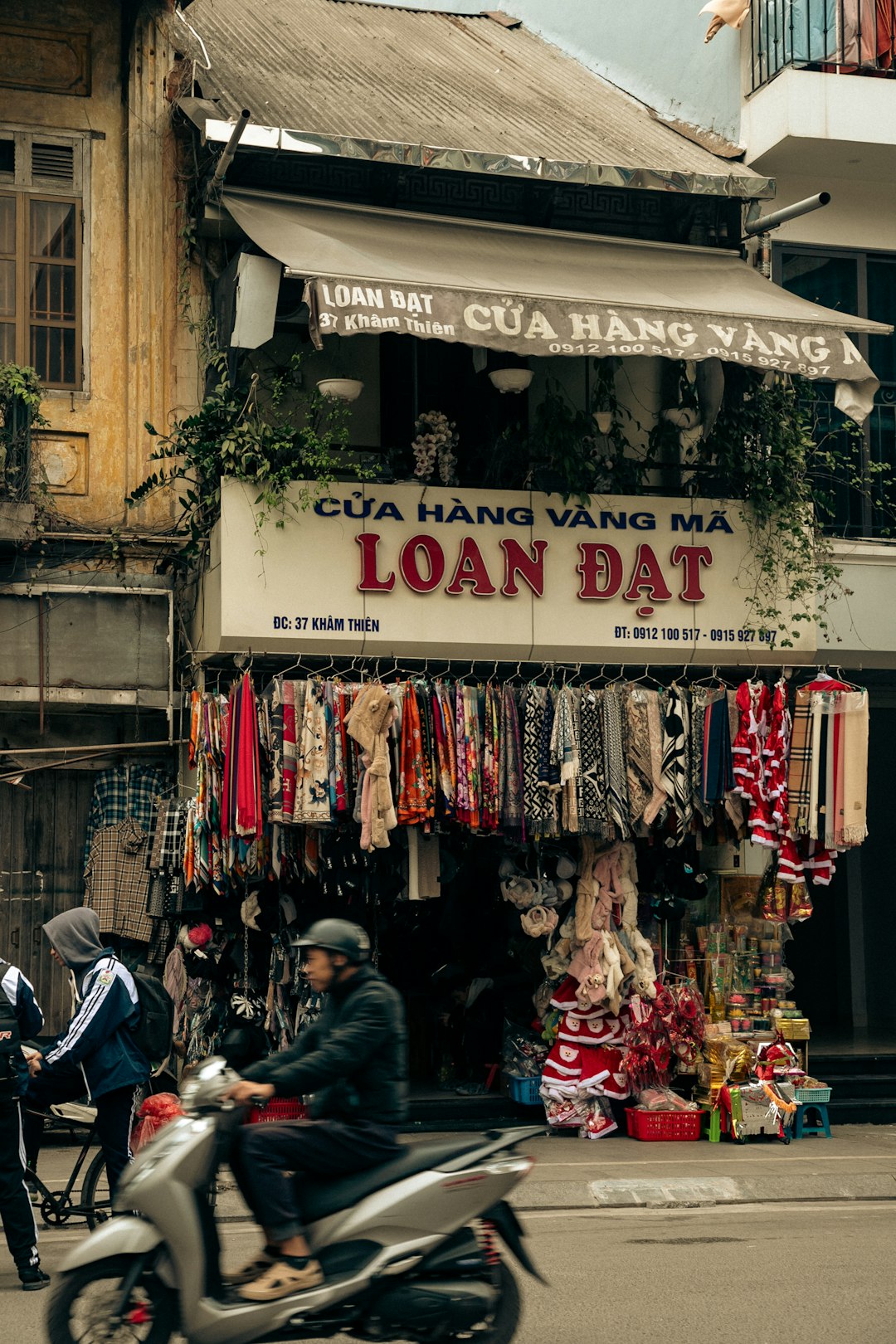
Where to buy clothes in Hanoi? The answer depends on what you are looking for. Hanoi is unusually good for fashion shopping because you can move from traditional market stalls to small local boutiques, silk shops, independent labels and international brands in the same day. This 2026 guide is the first part of our new Shopping & Fashion in Hanoi series and gives you a practical map of where to start.
If you want a fast answer: go to Hàng Đào and the Old Quarter for easy central shopping, Đồng Xuân Market for bargain hunting, Bà Triệu for a broader fashion mix, Hàng Gai for silk and tailoring, and a modern mall such as Vincom Center Bà Triệu if you need international brands or larger sizing.
Quick guide: where should you shop?
| What you want | Best place to start | Why |
|---|---|---|
| Everyday clothes & accessories | Hàng Đào / Old Quarter | Central, easy to walk, many small shops |
| Cheap clothes & market shopping | Đồng Xuân Market | Large selection, wholesale atmosphere, bargaining |
| Local fashion & boutiques | Bà Triệu and central districts | Mix of Vietnamese labels and modern retail |
| Silk, áo dài & tailoring | Hàng Gai | Traditional silk street and tailoring |
| International brands & fixed prices | Vincom Center Bà Triệu | Air-conditioned mall, easier sizing |
| Weekend evening shopping | Old Quarter Night Market | Clothes, accessories, souvenirs, street-food atmosphere |
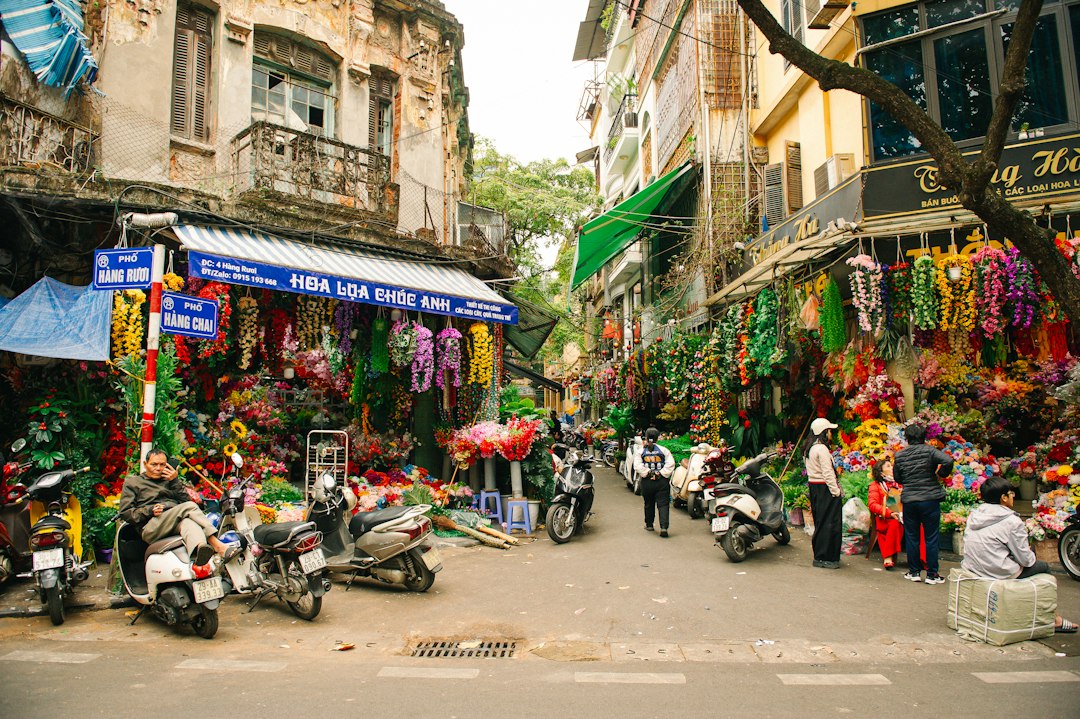
1. Hàng Đào: the easiest place to start in the Old Quarter
Hàng Đào is one of the historic commercial streets of Hanoi’s Old Quarter. Today it is strongly associated with ready-to-wear clothing, accessories and tourist-oriented shopping. It is a useful first stop because it begins close to Hoàn Kiếm Lake and leads naturally into Hàng Ngang and the streets toward Đồng Xuân Market.
You will find women’s clothing, T-shirts, casual wear, bags, scarves, shoes and inexpensive accessories. Quality varies widely, so check stitching, zippers and fabric before buying. Prices are often negotiable in smaller shops and stalls, but not everywhere.
Open Hàng Đào Street in Google Maps.
2. Đồng Xuân Market: for bargain hunters
Đồng Xuân Market is one of Hanoi’s best-known traditional markets and a logical stop if you want inexpensive clothing, shoes, accessories and fabric. The market has a strong wholesale character, so displays can be dense and chaotic compared with a conventional boutique.
The advantage is variety. The disadvantage is that sizing, quality and labeling can be inconsistent. Some sellers prefer larger quantities, but many will still sell individual pieces. Always inspect the item you are actually buying rather than assuming it is identical to the display sample.
For a deeper look at the city’s markets, see our Best Markets in Hanoi guide.
Open Đồng Xuân Market in Google Maps.
3. Bà Triệu: modern Hanoi fashion beyond the Old Quarter
If the Old Quarter feels too tourist-oriented, head south toward Bà Triệu. This long central avenue combines independent shops, Vietnamese fashion retailers, beauty stores and larger commercial destinations. It is less picturesque than the Old Quarter but often more useful if your priority is actually buying clothes rather than sightseeing.
The street is also home to Vincom Center Bà Triệu, a good fallback when you want fixed prices, air-conditioning and international chains. Malls are also useful for travelers who need a wider size range than small local boutiques typically carry.
Explore Bà Triệu on Google Maps.
4. Hàng Gai: silk, scarves and made-to-measure clothing
Hàng Gai is traditionally known as Hanoi’s silk street. It remains one of the easiest places to browse silk scarves, fabric, áo dài and tailored garments. This is not necessarily where you go for the cheapest fashion; it is where you go when material, craftsmanship and custom fitting matter more.
If you order made-to-measure clothing, agree on the fabric, total price, fitting schedule and delivery time before paying. If you are only in Hanoi briefly, allow enough time for at least one fitting rather than ordering on your final day.
Open Hàng Gai Street in Google Maps.
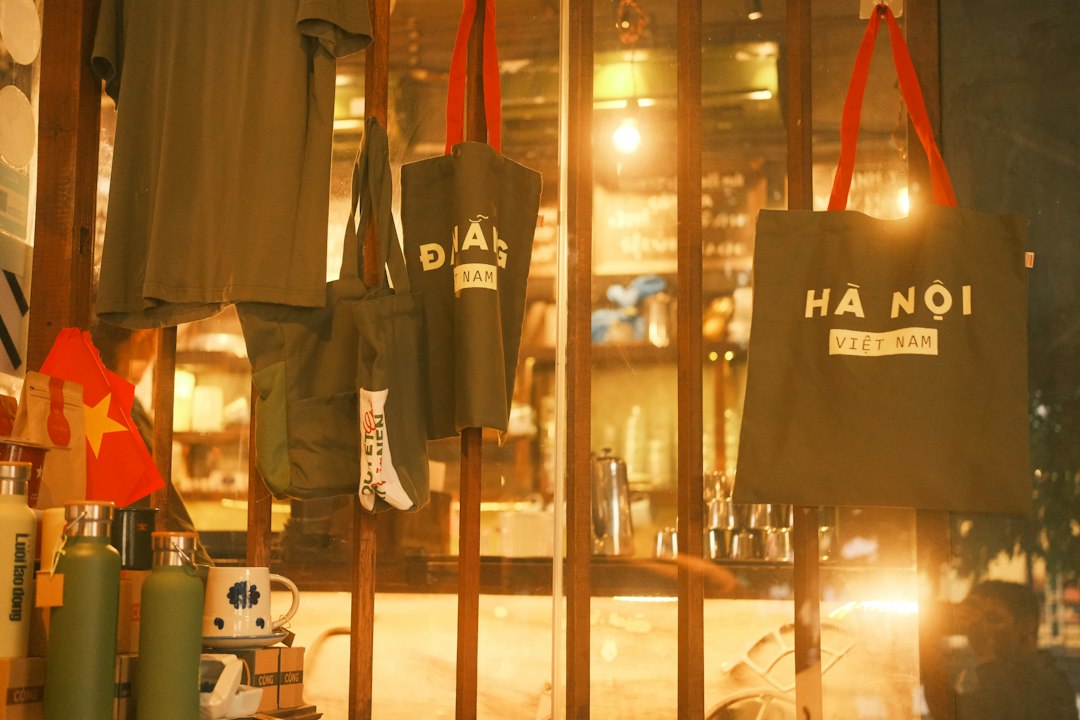
5. Vietnamese local brands: look beyond the markets
One of the most interesting changes in Hanoi shopping is the growth of Vietnamese fashion and design labels. Local brands can offer a much more contemporary picture of Hanoi than souvenir-oriented shops: minimalist clothing, streetwear, graphic T-shirts, bags, jewelry and locally illustrated products.
Do not expect all local brands to cluster on one single street. Hanoi’s independent fashion scene is spread across Hoàn Kiếm, Hai Bà Trưng, Đống Đa and other central neighborhoods. Instagram and Google Maps are useful for checking whether a particular boutique is still at the same address before you travel across town.
We will cover this in detail in Part 3 — Best Vietnamese Fashion Brands & Independent Designers in Hanoi — 2026.
6. Chùa Bộc and Đặng Văn Ngữ: younger and more affordable fashion
Travelers who want a less touristy shopping experience should also look toward Chùa Bộc and Đặng Văn Ngữ in Đống Đa. These areas cater strongly to students and younger Hanoi shoppers, which often means trend-driven clothing and lower prices than premium central boutiques.
The trade-off is that shops change quickly and English may be less common. That is part of the appeal: you are shopping where locals shop rather than following a tourist retail trail.
Chùa Bộc on Google Maps · Đặng Văn Ngữ on Google Maps.
7. Hanoi Old Quarter Night Market: shopping after dark
From Friday to Sunday evenings, the pedestrian night market runs through the Old Quarter from the Hàng Đào area toward Đồng Xuân Market. It is one of the easiest places to browse inexpensive clothing, bags, accessories and souvenirs while combining shopping with an evening walk.
This is best treated as an experience rather than a destination for guaranteed quality. Compare similar stalls, inspect items carefully and bargain politely when prices are not fixed.
Open Hanoi Night Market in Google Maps.
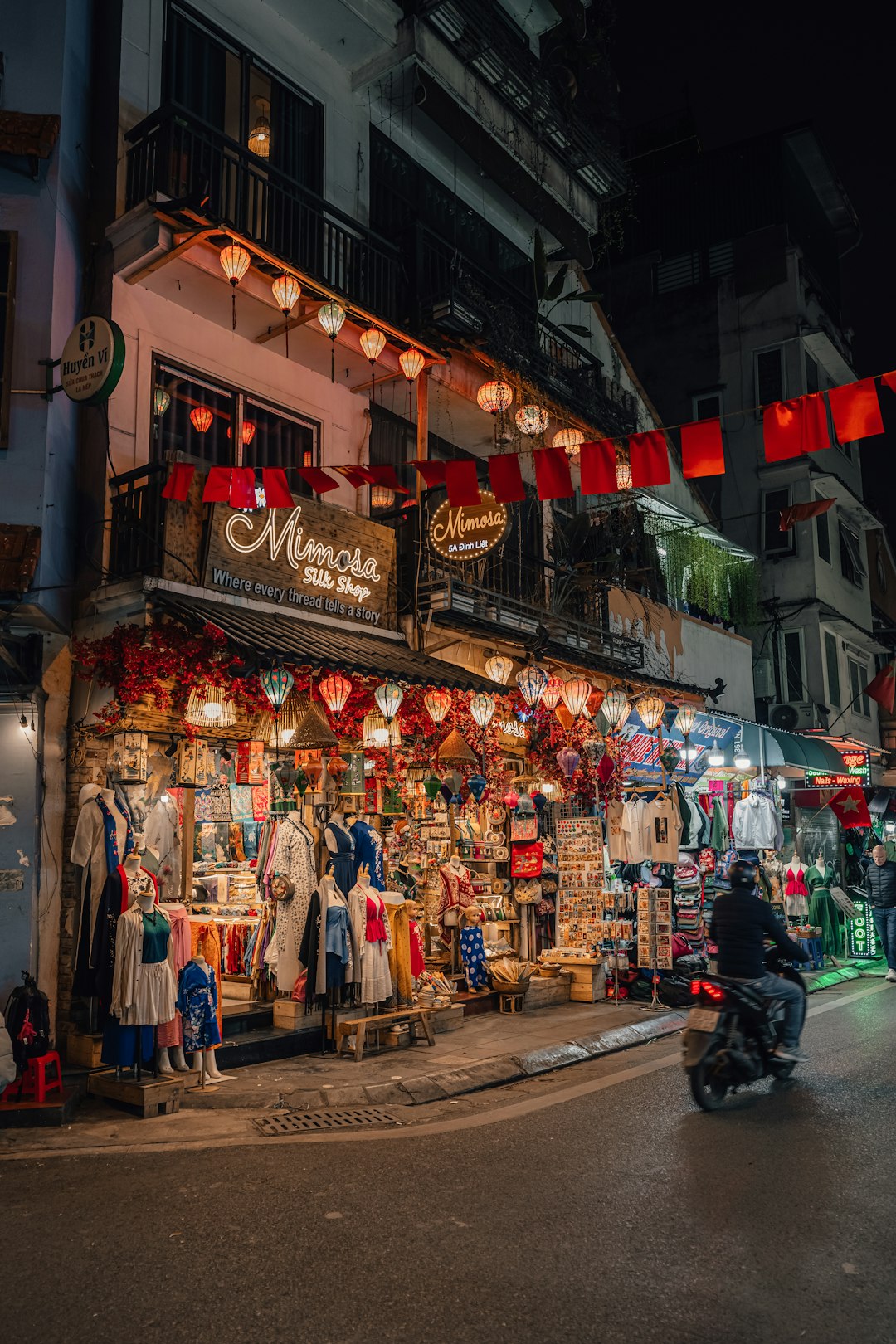
Video: see what Hanoi night-market shopping looks like
If you want a visual idea of the atmosphere, prices and type of merchandise sold around Hanoi’s evening markets, this 2026 walk-through is a useful complement to the guide.
How much should you expect to pay?
There is no single “Hanoi price” for clothes. A market T-shirt, a Vietnamese designer piece and a tailored silk jacket belong to completely different categories. Instead of relying on one price list, use these rules:
- Markets: compare two or three stalls before buying and bargain when the price is clearly flexible.
- Small boutiques: prices may be fixed; look for tags before negotiating.
- Local brands: expect fixed pricing and card or QR payment more often.
- Malls: fixed prices, seasonal promotions and easier returns.
- Tailoring: agree on the complete price, fabric and number of fittings in advance.
What about sizing?
This matters more than many visitors expect. Vietnamese sizing can run smaller than European or North American sizing, especially in independent stores and markets. Try clothes on whenever possible. If there is no fitting room, ask for measurements and compare them with a garment you already own.
For shoes, the same issue applies: traditional and market shops may have a limited range of larger sizes. Shopping malls and international chains are usually the easiest solution if fit is more important than local character.
Cash, cards and bargaining
Bring some cash for markets and small stores. Many modern shops accept cards or Vietnamese QR payments, but foreign visitors should not assume every QR system will work with an overseas banking app.
When bargaining, keep it friendly. Ask the price, make a reasonable counter-offer and be prepared to walk away. Buying several pieces can give you more leverage. In shops with clearly displayed fixed prices, do not bargain unless the seller indicates that it is possible.
How to avoid disappointing purchases
- Check seams, buttons and zippers before paying.
- Try on clothing or verify measurements.
- For silk, ask exactly what the fabric composition is.
- Do not assume a logo means an item is authentic.
- Take a photo of the shopfront if you need to return later.
- For tailored clothing, leave enough time for corrections.
A simple 3-hour fashion-shopping route
- Start at Hoàn Kiếm Lake.
- Walk north on Hàng Đào and browse ready-to-wear shops.
- Continue through Hàng Ngang toward Đồng Xuân Market.
- Explore the clothing sections of the market.
- Loop back toward Hàng Gai for silk and higher-quality gifts.
- Finish with coffee in the Old Quarter and decide whether you want to continue later at the weekend Night Market.
This route also combines well with our Hanoi Old Quarter Complete Guide.
Which place is best for you?
Choose Hàng Đào for convenience. Choose Đồng Xuân for price and variety. Choose Bà Triệu for a modern city-shopping day. Choose Hàng Gai for silk and tailoring. Choose Chùa Bộc or Đặng Văn Ngữ for younger local fashion. Choose the Night Market for atmosphere.
Shopping & Fashion in Hanoi 2026: what comes next
This article is Part 1 of our new ten-part series. Next we will explore Part 2 — Hanoi’s Best Fashion Streets — 2026, followed by Vietnamese designers, vintage and second-hand shopping, flea markets, clothing and fabric markets, the Old Quarter Night Market, silk and tailoring, budget fashion, and finally what is actually worth bringing home from Hanoi.