Vintage and second-hand shopping in Hanoi in 2026 is about exploration: an inexpensive denim jacket, an unusual printed shirt or a carefully selected retro piece may be hiding in a crowded rack. This guide explains where to look, what to expect, how much to budget and how to assess quality.
This is Part 4 of our shopping series. Start with where to buy clothes in Hanoi, explore Hanoi’s best fashion streets, and discover Vietnamese fashion designers.
Where to go for vintage and second-hand clothes
| Area | Best for | What to expect |
|---|---|---|
| Đông Tác | Treasure hunting | Mixed second-hand clothing and unpredictable stock |
| Chùa Láng | Casual and student fashion | Smaller shops with changing selections |
| Tây Hồ | Relaxed browsing | Independent boutiques and occasional resale events |
| Curated vintage boutiques | Selected retro styles | Higher prices but easier browsing |
1. Đông Tác: a classic second-hand shopping area
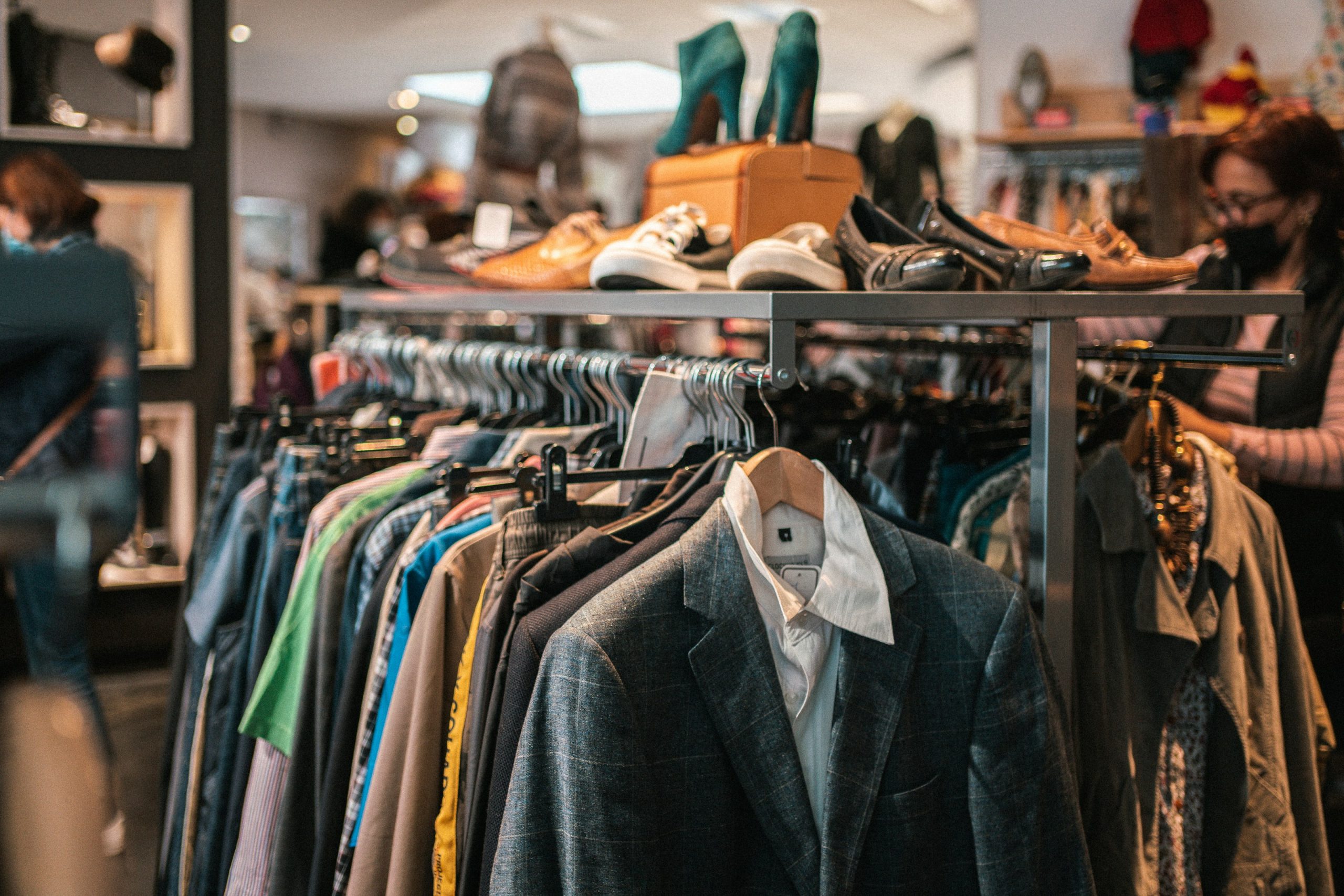
Đông Tác is a traditional place to explore đồ si, the Vietnamese term commonly used for second-hand clothes. It is more about the hunt than a guaranteed selection of authentic vintage. Expect mixed racks of shirts, jeans, outerwear and everyday garments. Sizes, condition and available stock change frequently. The most successful shoppers take time to inspect every piece.
Find the area: Google Maps. Verify specific sellers and opening times before making a special journey. Bring cash and allow time to browse.
2. Chùa Láng: student-area thrift shops
Near the university neighborhoods around Chùa Láng, look for small fashion and second-hand stores with casual shirts, sweatshirts, trousers and jackets. Some businesses mix used clothing with new retro-inspired stock. Ask whether a piece is second-hand rather than assuming every retro-looking item is old.
Explore: Google Maps. Search đồ si Chùa Láng on maps and social media and prioritize recent posts or photographs; independent shops may move or close.
3. Tây Hồ: independent stores and occasional resale pop-ups
Tây Hồ suits shoppers who prefer a slower afternoon of browsing. Independent boutiques and occasional community resale events can offer unusual pieces, but there is no guarantee of a permanent vintage market operating on any given day. Check current event announcements and confirm addresses with sellers.
Explore: Google Maps. Combine confirmed shops with cafés rather than relying on outdated lists.
4. Curated vintage boutiques: what to look for
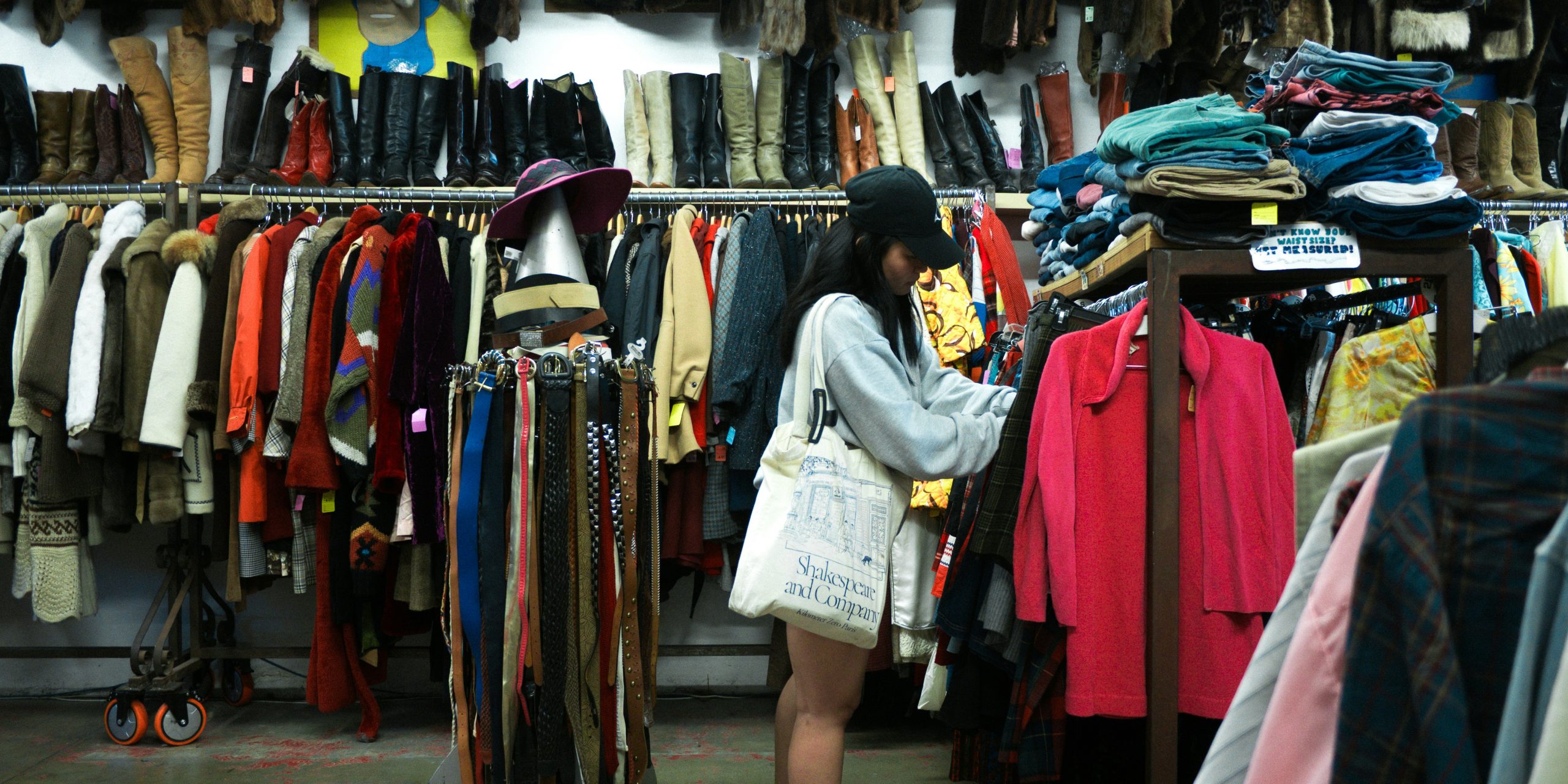
Curated stores do the sorting for you, often presenting garments by style, era or color. Their prices can reflect sourcing, cleaning and selection. But the word vintage is used loosely: some garments are genuinely older, others are modern second-hand, and some are new reproductions. Ask about provenance if authenticity matters.
Inspect labels, stitching, fabric quality and alterations. A sturdy modern second-hand jacket may be more useful than a fragile older collectible.
What does second-hand clothing cost in Hanoi?
Prices depend heavily on seller, condition, material and brand. For budgeting only, not as verified current quotes from individual stalls, basic market finds may be around 30,000–150,000 VND, while better-presented everyday garments may be around 100,000–350,000 VND. Curated vintage, leather, premium denim and designer pieces can cost much more. Compare quality before judging whether something is a bargain.
At informal market stalls, polite bargaining may be possible. In fixed-price boutiques, respect the marked price. Keep small cash notes available.
Seven checks before you buy
- Hold the fabric to the light to spot thinning, holes and stains.
- Check seams, especially underarms, crotch, hems and pockets.
- Test buttons, snaps and zippers.
- Inspect for persistent damp or mildew odors.
- Try clothes on: vintage and imported sizing can be inconsistent.
- Do not assume branded tags guarantee authenticity.
- Check cleaning instructions, and wash or professionally clean purchases before wearing.
Vietnamese search terms that help
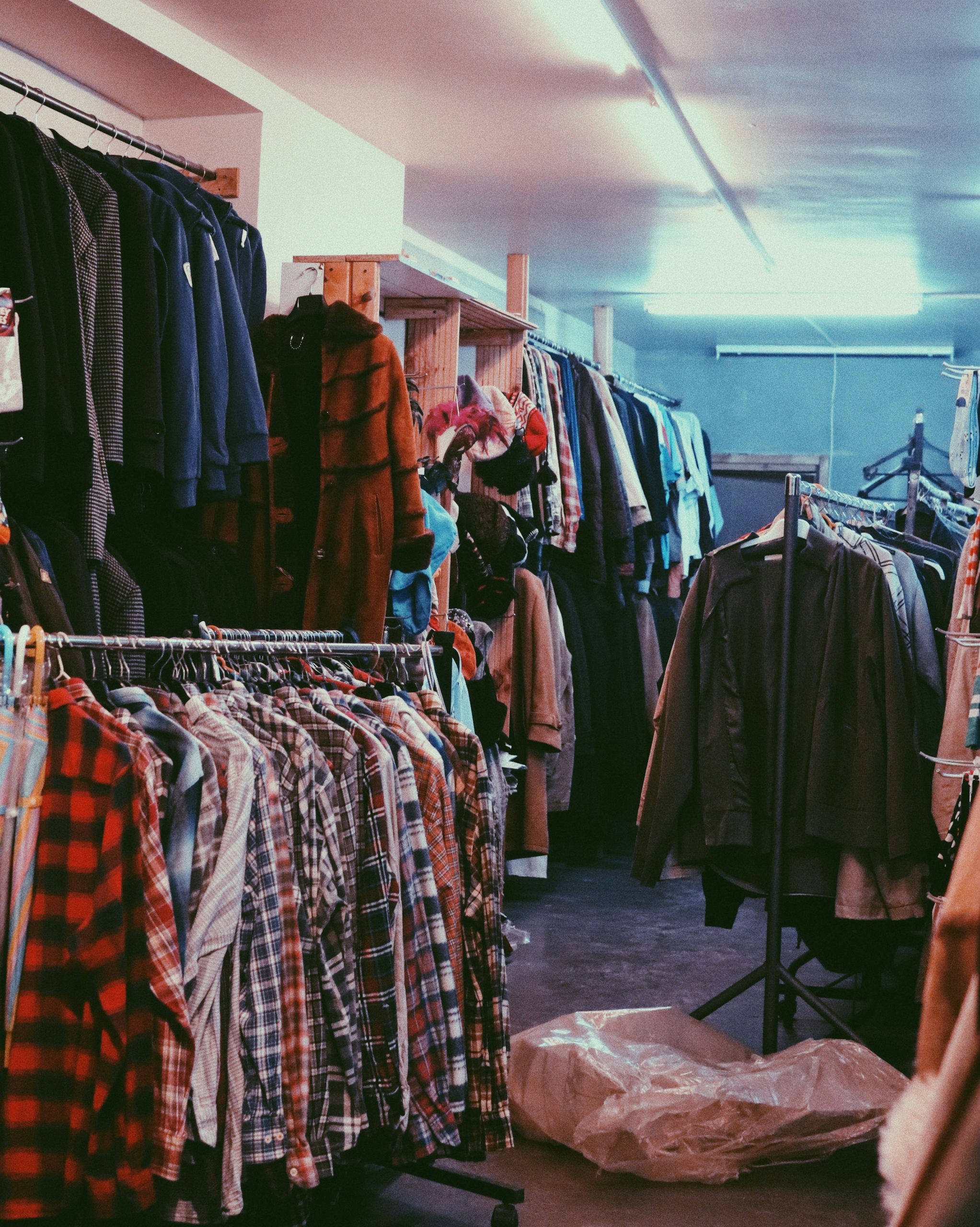
Try đồ si Hà Nội (second-hand clothing), quần áo secondhand Hà Nội, shop vintage Hà Nội and chợ đồ cũ (used-goods market). Useful live searches: Google Maps and Google Maps. Review recent photos and contact shops to confirm opening hours.
A practical half-day itinerary
Morning: start around Đông Tác for market-style browsing. Lunch: stop in Đống Đa. Afternoon: choose Chùa Láng or one or two independently verified vintage boutiques. Keep the schedule flexible for traffic and changing shop hours.
Second-hand shopping and sustainability
Buying pre-owned clothes can extend a garment’s life, but the best purchase is something you will wear and care for. Prioritize durable fabrics, good construction and repairable details. If you prefer contemporary craft and slow fashion, explore our guide to Vietnamese independent designers.
Frequently asked questions
Is second-hand shopping in Hanoi cheap?
It can be, particularly at mixed-stock stalls, but curated pieces and recognizable brands can be considerably more expensive.
Can I bargain?
Sometimes at informal market stalls. Fixed-price boutiques may not negotiate.
Are all vintage clothes genuinely old?
No. Ask about age and origin if you want an authentic period garment.
Where should I go with only two hours?
Choose Đông Tác if you enjoy hunting, or one or two currently operating curated shops if you prefer a more predictable experience.
Continue the series
Read Part 1, Part 2 and Part 3. Coming next: Part 5 — Hanoi Flea Markets: Vintage, Second-Hand & Unexpected Finds — 2026.