Hanoi’s best markets for clothes, fabric and accessories are spread across very different parts of the city, from the Old Quarter to huge wholesale districts on the outskirts. Some are ideal for tourists buying a few pieces; others are better for fabric hunters, designers, shop owners or anyone who enjoys the energy of a true wholesale market.
This is Part 6 of our Shopping & Fashion in Hanoi 2026 series. If you want second-hand clothing and vintage pieces, read Part 4 — Vintage & Second-Hand Shopping in Hanoi. If you want flea markets and old objects, see Part 5 — Hanoi Flea Markets.
Quick guide: which market should you choose?
| Market | Best for | Who should go |
|---|---|---|
| Đồng Xuân Market | Clothes, shoes, bags, fabric, accessories | First-time visitors, bargain hunters |
| Chợ Hôm | Fabric, sewing material, household goods | Designers, tailors, textile lovers |
| Ninh Hiệp Market | Wholesale clothing, fabric, notions | Serious shoppers, resellers, fabric buyers |
| Phùng Khoang Market | Cheap clothes, shoes, student fashion | Budget shoppers |
| Old Quarter specialty streets | Silk, shoes, ready-to-wear, accessories | Travelers who prefer street shopping |
1. Đồng Xuân Market: the easiest all-round option
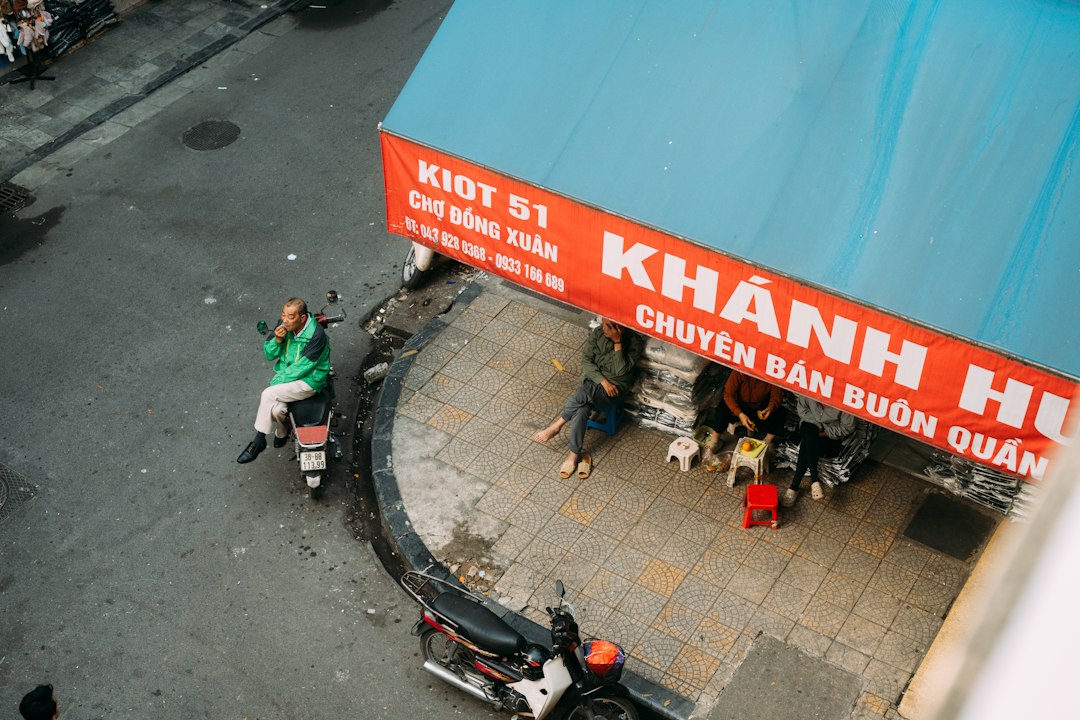
Đồng Xuân Market is the most famous traditional market in central Hanoi and remains one of the easiest places to browse clothing, shoes, handbags, fabric, souvenirs and accessories in one stop. Vietnam Tourism describes it as a large wholesale market where fabric, shoes and clothes sit alongside toys, sweets and household goods.
The market is especially convenient because it lies at the northern edge of the Old Quarter. You can walk there from Hoàn Kiếm Lake, combine it with Hàng Đào, and continue through the surrounding lanes where more shops spill into the streets.
For fashion shopping, look beyond the ground floor. Upper levels and surrounding shops often carry clothing, fabric, uniforms, handbags and accessories. Some vendors focus on wholesale quantities, but many will sell individual pieces.
Open Đồng Xuân Market in Google Maps.
2. Chợ Hôm: one of Hanoi’s classic fabric markets
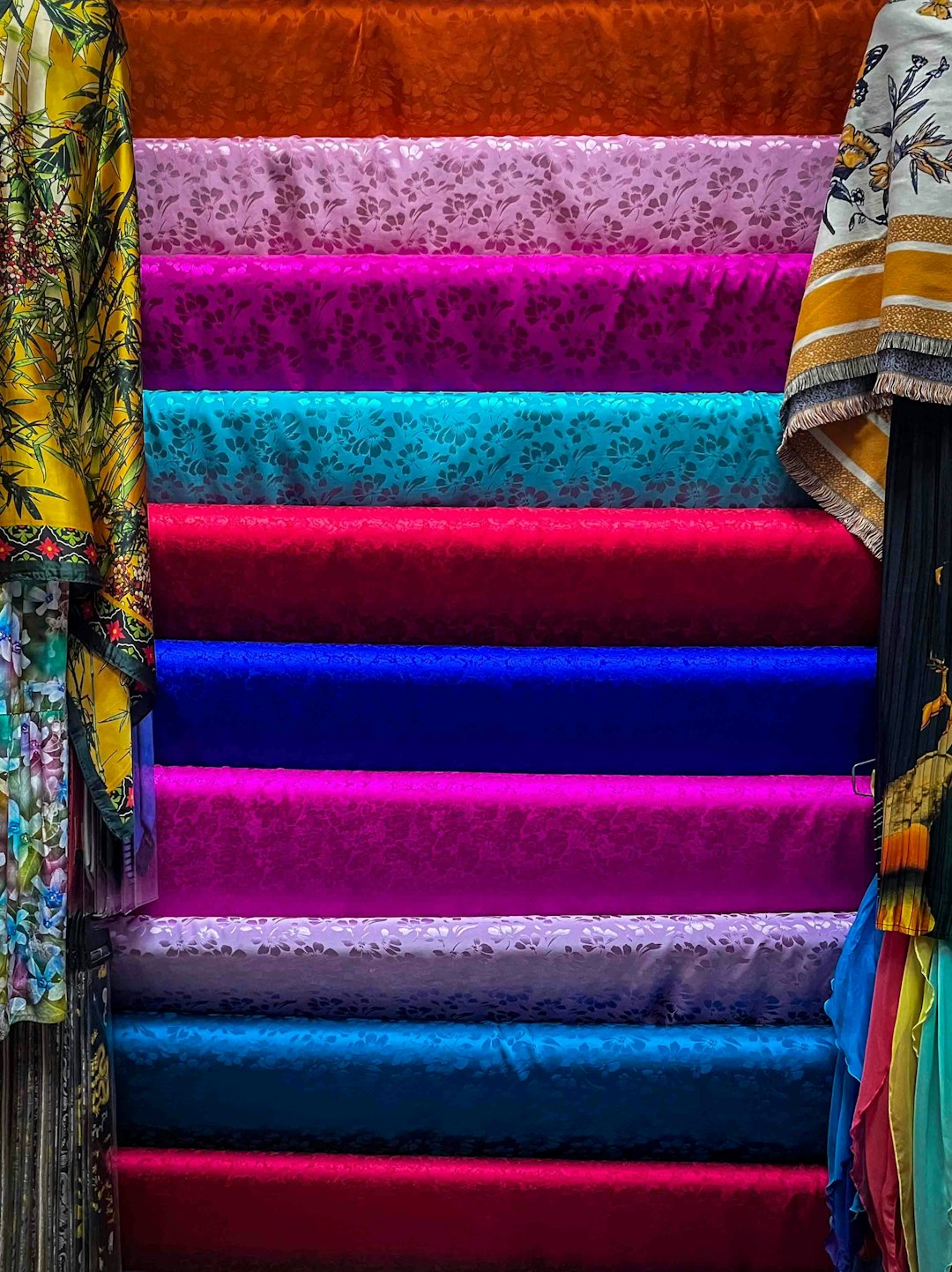
If your main goal is fabric, Chợ Hôm is one of the traditional places to investigate. It is less tourist-oriented than Đồng Xuân and more useful for people looking for textiles, sewing material and local-market prices.
Expect rolls of cotton, synthetics, patterned textiles and fabric suitable for dresses, shirts, trousers, áo dài or household use. The exact stock changes from vendor to vendor, so compare quality before deciding.
When buying fabric, ask clearly whether the price is per meter, per kilogram or per full roll. If you need material for a tailor, bring the approximate quantity you need and, ideally, a sample or photo of the garment you intend to make.
3. Ninh Hiệp Market: the serious wholesale giant
Ninh Hiệp Market, northeast of central Hanoi, is on another scale entirely. VietnamNet has described it as one of northern Vietnam’s largest wholesale hubs for clothing and fabric. The area begins before you even reach the core market: clothing shops, fabric sellers and garment suppliers line the approach roads.
This is where Hanoi shop owners and traders go to source stock. You will find ready-made clothing for men, women and children, fabric by the meter or kilogram, sewing notions, elastic, zippers, thread and other garment-making supplies.
It is not the best place for a casual one-hour tourist visit. It is large, busy and commercially oriented. But if you are a designer, reseller, tailor or serious textile shopper, it can be one of the most interesting fashion-shopping destinations in northern Vietnam.
Open Ninh Hiệp Market in Google Maps.
How Ninh Hiệp works
- Many vendors are wholesalers first, retailers second.
- Some stalls will still sell single pieces.
- Fabric may be priced by meter, kilogram or full bolt.
- Quality can vary dramatically between vendors.
- The area is extensive, so comfortable shoes matter.
- Go earlier in the day if you want the broadest choice.
For anyone buying large quantities, it is worth comparing several stalls before committing. Competition is high, and the first price is not always the best price.
4. Phùng Khoang Market: budget fashion for local shoppers
Phùng Khoang Market is popular with students and younger Hanoi residents because of its low prices. Vietnam Tourism highlights it as a cheap market selling clothing and household goods, especially useful for people furnishing a flat or shopping on a limited budget.
For travelers, it offers a more local experience than the Old Quarter. Expect inexpensive T-shirts, casual wear, shoes, bags and seasonal fashion. Quality is mixed, so inspect everything before buying.
Open Phùng Khoang Market in Google Maps.
5. Old Quarter specialty streets: markets without a roof
Not every useful fashion-shopping area is a formal market. Hanoi’s Old Quarter still operates through streets traditionally associated with specific trades.
- Hàng Gai — silk, tailoring and higher-end textile shops.
- Hàng Đào — ready-to-wear clothes, accessories and tourist shopping.
- Hàng Dầu — shoes and sandals.
- Hàng Bạc — jewelry and silver.
Vietnam Tourism still identifies these streets by their historic shopping specialities, even though modern retail has changed the mix. For many visitors, this is the most enjoyable way to shop because the experience combines fashion with the architecture and atmosphere of the Old Quarter.
Hàng Gai on Google Maps · Hàng Đào on Google Maps.
What fabric should you buy in Hanoi?
The answer depends on what you want to make. Common options include cotton, linen blends, synthetics, rayon, patterned fabric and silk. For áo dài or formal garments, ask your tailor what weight and width they prefer before buying.
Do not rely only on color. Touch the fabric, hold it up to the light, stretch it gently and ask about composition. Some sellers may use broad terms such as “silk” loosely, so if fiber content matters, ask specifically.
How much fabric do you need?
As a rough guide only:
- Shirt: around 1.5–2 meters
- Simple dress: around 2–3 meters
- Trousers: around 1.5–2 meters
- Áo dài: often 3–4 meters depending on width, design and matching trousers
These are approximate quantities. A tailor may need more depending on your size, pattern matching, fabric width and garment design.
Sewing notions and accessories
Large markets and wholesale areas are also useful for small garment-making supplies: zippers, buttons, elastic, thread, lace, hooks, ribbons and decorative trim. Ninh Hiệp is particularly strong for this because it supplies professional garment businesses as well as retail buyers.
Video: buying fabric at Ninh Hiệp Market
This practical Vietnamese-language video shows how fabric buying works at Ninh Hiệp and gives a good visual sense of the wholesale environment:
Market-shopping tips
- Bring cash. Smaller stalls may not accept foreign cards.
- Compare first. Walk around before buying.
- Ask how the fabric is priced. Per meter, kilo or roll?
- Check defects. Look for stains, pulled threads and inconsistent dye.
- Know your measurements. Vietnamese sizing can run smaller than European sizing.
- Bargain politely. Wholesale and traditional markets often allow negotiation.
- Do not assume branded goods are authentic.
A half-day market route in central Hanoi
If you do not want to travel out to Ninh Hiệp, combine three central experiences:
- Start at Đồng Xuân Market for clothes, bags and accessories.
- Walk through the Old Quarter toward Hàng Đào and Hàng Gai.
- Take a taxi or Grab to Chợ Hôm if fabric is your priority.
This gives you a good mix of wholesale atmosphere, traditional shopping streets and textile hunting without leaving central Hanoi.
Continue the Shopping & Fashion in Hanoi 2026 series
Read Part 1 — Where to Buy Clothes in Hanoi, Part 2 — Hanoi’s Best Fashion Streets, Part 3 — Vietnamese Fashion Brands & Designers, Part 4 — Vintage & Second-Hand Shopping and Part 5 — Hanoi Flea Markets.
Next: Part 7 — Hanoi Night Market: What to Buy Around Hoan Kiem & the Old Quarter — 2026.