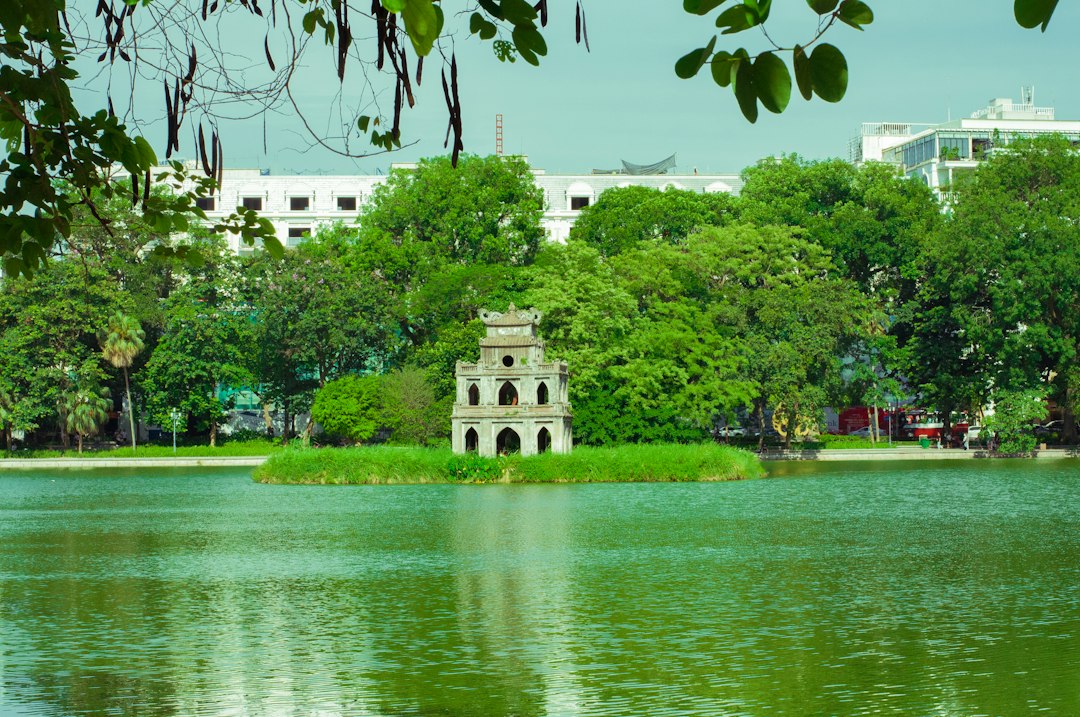
Essential Hanoi experiences are about much more than ticking off monuments. The capital rewards early starts, unhurried walks, small food stops, performances and the simple pleasure of watching city life unfold. This 2026 guide brings together ten memorable things to do in Hanoi, with realistic timings, map links and ways to combine them into a relaxed itinerary.
Planning your first trip? Start with our three-day Hanoi itinerary, then use this final installment of the Hanoi Traveler’s Guide 2026 series to choose the experiences that suit you best. Details such as tickets, opening hours and road restrictions can change: check official sources shortly before your visit.
1. Watch Hanoi wake up beside Hoàn Kiếm Lake
Set your alarm early at least once. Before the traffic builds, Hoàn Kiếm Lake becomes a place for walking, stretching, dancing and morning conversations. A slow loop around the water gives you a sense of the city’s rhythm that is hard to find later in the day. Look across to Turtle Tower, then visit Ngọc Sơn Temple via the red Thê Húc Bridge when it opens.
How to do it: Arrive around 6–7 a.m. for the atmosphere, then have breakfast in the nearby Old Quarter. The lakeside walk itself is free. If you return on a weekend, the surrounding pedestrian zone has a very different energy; city tourism information describes the regular walking-street period as Friday evening to Sunday night, subject to changes for events and holidays.
Find Hoàn Kiếm Lake on Google Maps · Hanoi tourism information on the walking zone. Allow 45–90 minutes, longer if you enter the temple.
2. Explore the Old Quarter on foot, one street at a time
Hanoi’s Old Quarter is a living neighborhood, not an outdoor museum. Look for narrow tube houses, temples behind busy shopfronts, old guild-street names, street vendors, craft stores and family businesses. The best walk is not a race through famous landmarks: take a short route and follow the details that catch your eye.
Begin near the lake, walk through Hàng Gai and Hàng Đào, then explore the lanes around Hàng Buồm and Mã Mây. For a more structured route, use our complete Hanoi Old Quarter guide. If you enjoy unexpected corners, continue with our Hanoi hidden gems suggestions.
Tip: Start in the morning or late afternoon, cross streets slowly and predictably, and allow time for a café stop. Old Quarter map. Allow 2–3 hours.
3. Make street food the center of a meal
A Hanoi food experience can be as simple as sitting on a low stool with a bowl of phở. But make room for other classics: bún chả (grilled pork with rice noodles and herbs), bánh cuốn (steamed rice rolls), bún riêu (tomato-based noodle soup), xôi (sticky rice) and a freshly made bánh mì. Different dishes shine at different times of day.
Look for stalls preparing food continuously, with a busy local clientele. If you have dietary restrictions, learn a few Vietnamese phrases or show a translation on your phone: fish sauce, peanuts, shrimp paste and meat stocks can be less obvious than the main ingredients. Our Hanoi street-food guide goes deeper into dishes and neighborhoods.
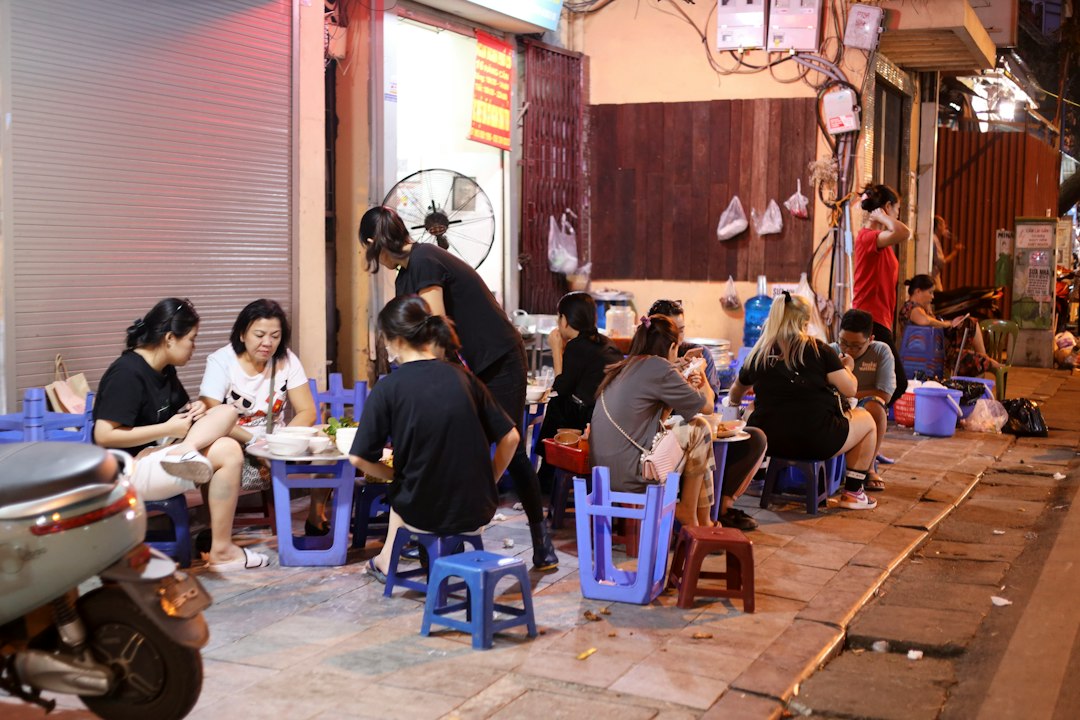
How to do it: Choose two or three small stops rather than one enormous meal. Old Quarter food streets on Google Maps. Budget roughly 60–120 minutes for a relaxed food walk; prices vary by establishment.
4. Slow down over Vietnamese coffee
Hanoi’s coffee culture is an experience in itself. Try cà phê trứng, the rich egg-coffee specialty associated with the city, or a strong cà phê sữa đá with condensed milk. Coffee shops range from tiny pavement counters to quiet upstairs rooms and modern roasteries. Watching the street from a small balcony can be as memorable as any attraction.
Don’t feel you must visit only the most famous café. Try one traditional stop and one contemporary café to understand how the city’s coffee culture keeps changing. Our best cafés in Hanoi guide has more ideas.
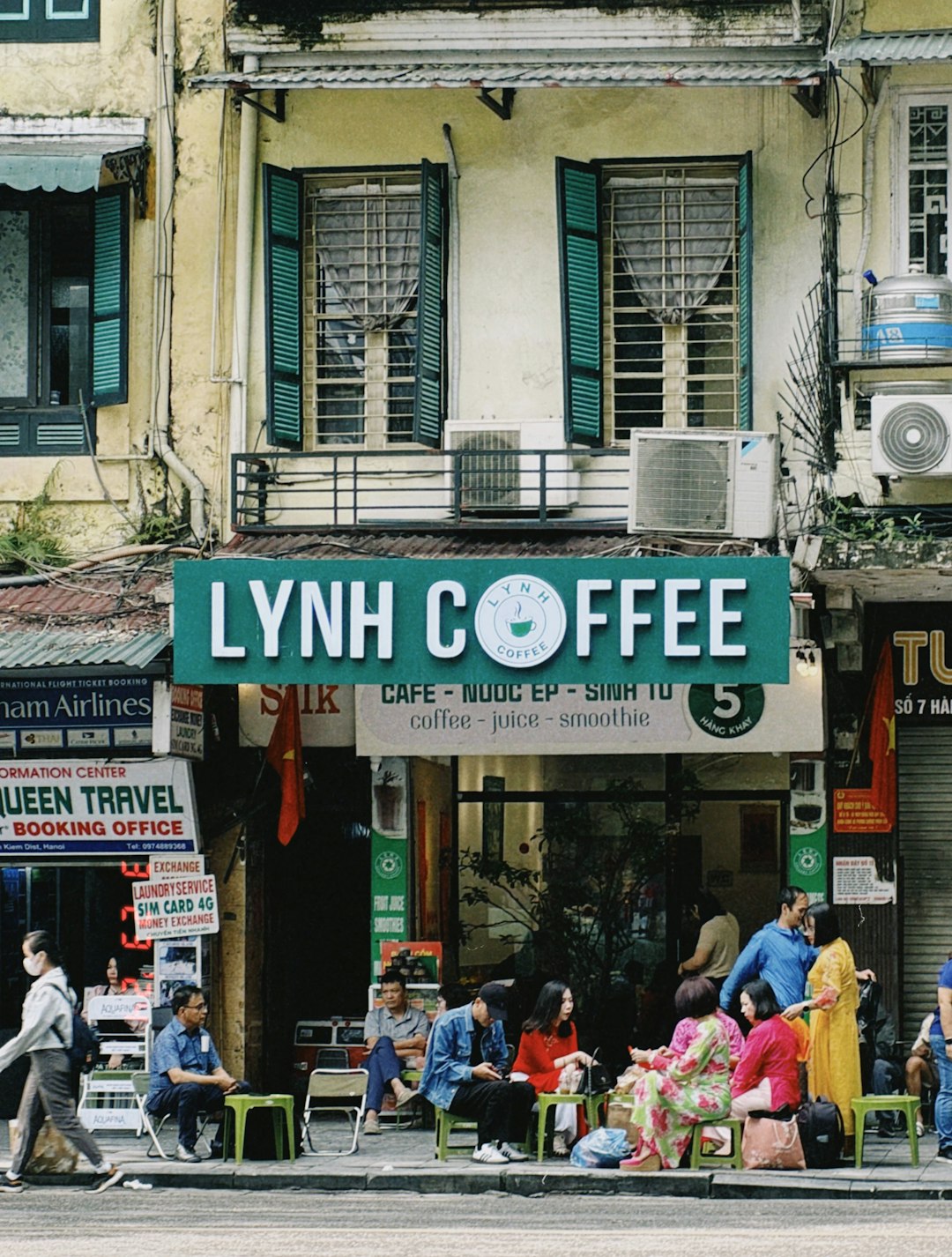
How to do it: Take 30–60 minutes after lunch or during a hot afternoon. Find egg coffee in Hanoi. If you avoid caffeine or eggs, ask about the ingredients before ordering.
5. Visit the Temple of Literature and learn about Vietnam’s scholars
The Temple of Literature (Văn Miếu – Quốc Tử Giám) offers a different atmosphere from the Old Quarter: courtyards, gateways, gardens and the stone stelae honoring successful scholars. Founded in the 11th century, the complex is closely associated with Confucian learning and Vietnam’s long tradition of education. It is one of the city’s most rewarding places to understand the country’s cultural history.
As checked in October 2026, the official visitor information lists regular daytime hours of 8 a.m.–5 p.m. and a standard adult ticket of 70,000 VND. Special evening experiences have separate arrangements, so check the official site before going.
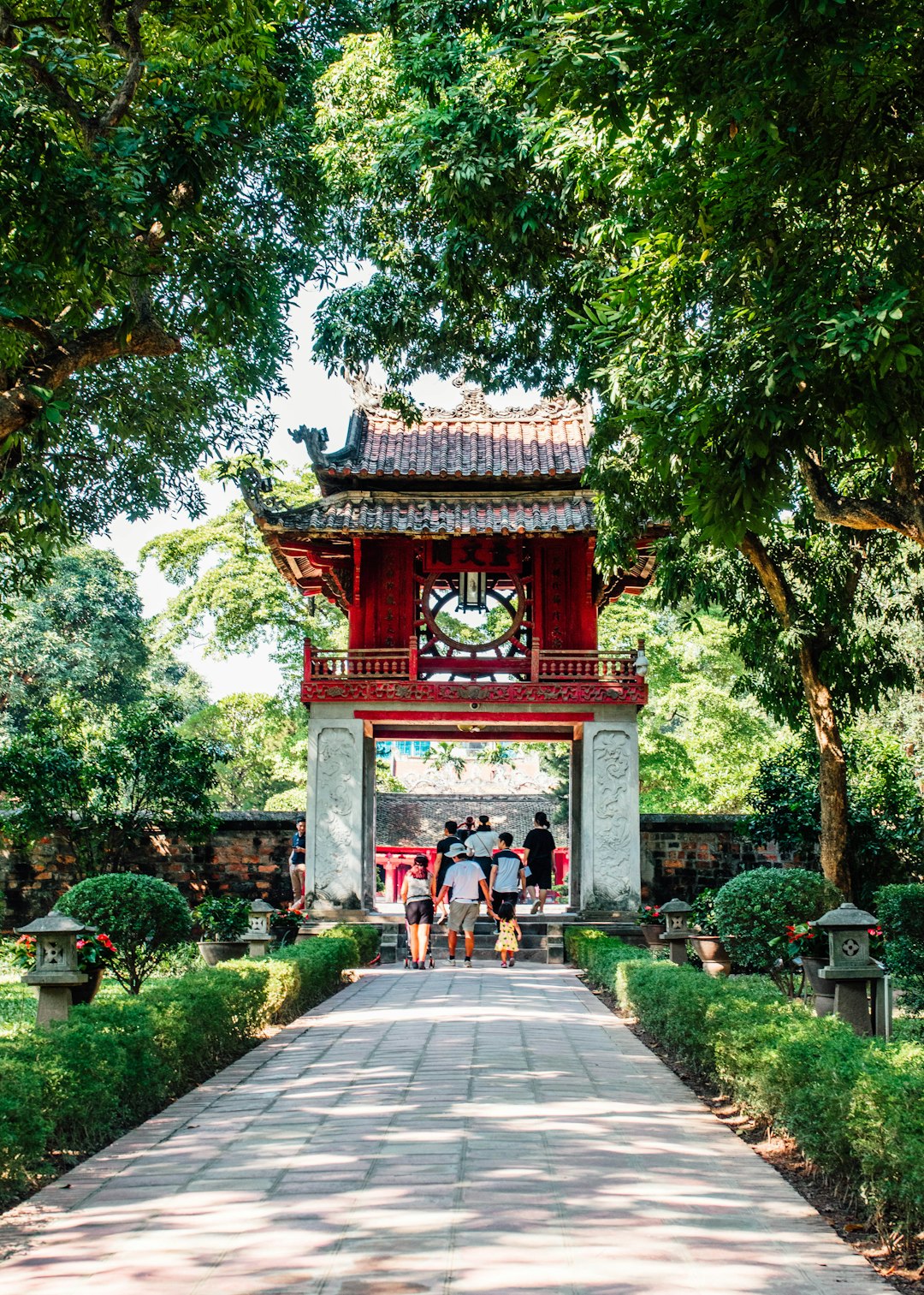
Temple of Literature on Google Maps · Official ticket information. Allow 60–90 minutes. Dress respectfully and avoid disrupting ceremonies or student groups.
6. See a traditional water-puppet performance
Water puppetry grew out of the culture of northern Vietnam’s rice-growing communities. At the Thăng Long Water Puppet Theatre, carved puppets move across a water stage while musicians play traditional instruments. The short scenes feature rural life, animals, humor and legends. You can follow much of the performance even without understanding Vietnamese.
The theatre is close to Hoàn Kiếm Lake, making it an easy evening activity after sightseeing. Performance schedules, seat categories and ticket prices can vary, so confirm them with the theatre or its authorized ticket office rather than relying on an old timetable. Arrive early enough to find your seat comfortably.
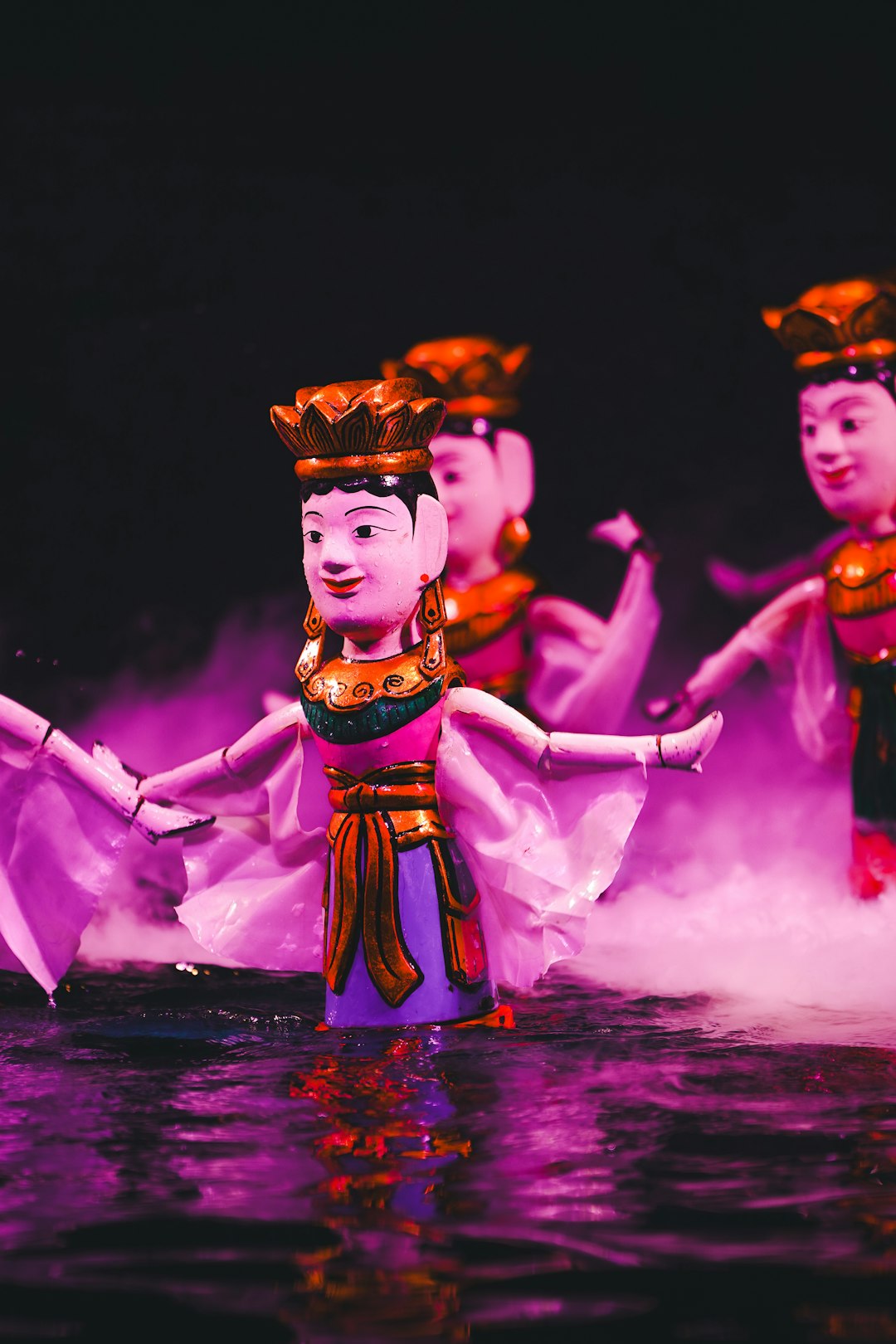
Thăng Long Water Puppet Theatre on Google Maps. Allow about an hour for the show, plus arrival time.
7. Browse a local market, not just souvenir shops
Markets reveal how Hanoi shops, cooks and socializes. Đồng Xuân Market is the best-known covered market near the Old Quarter, while smaller neighborhood markets are often better for observing everyday produce shopping. Flower markets have a completely different rhythm, especially early in the morning.
Come with curiosity rather than a shopping checklist. Watch the trade without obstructing stalls, ask before photographing vendors, and keep valuables secure in crowded areas. Read our best markets in Hanoi guide for options and practical advice.
Đồng Xuân Market on Google Maps. Allow 45–90 minutes.
8. Cross perspectives at Long Biên Bridge and Trúc Bạch
One of the most striking Hanoi experiences is seeing the city from its edges. Long Biên Bridge opens a view toward the Red River, its floodplain and the skyline. The nearby Trúc Bạch neighborhood offers lakeside lanes and local specialties such as phở cuốn. Together they make a pleasant contrast to the dense center.
Use designated pedestrian areas and never step onto railway tracks for a photograph. Bridge access and maintenance arrangements may change. For more unusual places nearby, explore our hidden-gems guide.
Long Biên Bridge map · Trúc Bạch Lake map. Allow 2–3 hours if you include a meal.
9. Spend time with Hanoi’s difficult history at Hỏa Lò
The Hỏa Lò Prison Relic presents chapters of Vietnam’s colonial and wartime history. It is an intense visit and deserves more attention than a quick photo stop. Read the displays carefully, take time to reflect and consider seeking out additional historical perspectives afterward.
The official Hỏa Lò website lists daily opening hours of 8 a.m.–5 p.m. (checked October 2026). Special programs may follow different schedules.
Hỏa Lò Prison Relic on Google Maps. Allow 60–90 minutes. The exhibitions can be emotionally demanding for some visitors.
10. Return to Hoàn Kiếm after dark
Hanoi changes character in the evening. Around Hoàn Kiếm, families stroll, friends meet for snacks, and performers may appear along the streets. On weekend pedestrian evenings, the area becomes especially lively. Continue into the Old Quarter for illuminated shopfronts and dinner, or find a quieter rooftop café for a view over the city.
There is no need to chase every nightlife venue. A walk, a small meal and a place to sit can be the best way to experience Hanoi after dark. Our Hanoi at night guide covers more evening ideas. If you are looking for accommodation within walking distance, compare neighborhoods in where to stay in Hanoi.
Hoàn Kiếm evening walk map. Allow 1–2 hours.
Bonus: Should you visit Hanoi Train Street?
Hanoi’s railway cafés attract attention, but this is an active railway corridor, not a public photo set. Access rules and train movements can change without warning. Follow barriers and local instructions, never walk or pose on the tracks, and do not assume that buying a drink guarantees access or a train sighting. Read our dedicated 2026 Hanoi Train Street safety guide before making plans.
Video: the atmosphere of Hanoi’s streets
For a preview of the pace, sounds and street life around the Old Quarter and Hoàn Kiếm Lake, watch this independently filmed 4K walking tour from 2025. It is useful for atmosphere rather than as a source of current opening hours.
A realistic one-day Hanoi experiences itinerary
- 6:30–8:00 a.m.: Hoàn Kiếm Lake at sunrise and a local breakfast.
- 8:30–10:30 a.m.: Old Quarter walking route with a small heritage stop.
- 11:00 a.m.–12:30 p.m.: Street-food lunch and a coffee break.
- 1:30–3:00 p.m.: Temple of Literature or Hỏa Lò Prison Relic; choose one to avoid rushing.
- 4:00–5:30 p.m.: Return to the lake, explore a market or relax in a café.
- Evening: Water-puppet show, dinner and a stroll around the illuminated lake.
For a slower three-day visit, spread these experiences out using our three-day Hanoi guide. If you have an extra day beyond the city, our best day trips from Hanoi guide covers Ninh Bình, Bát Tràng and other excursions.
Practical tips for enjoying Hanoi in 2026
- Plan around heat and rain: walk early, save museums or cafés for the hottest hours and carry a light rain layer in wetter months.
- Keep travel times realistic: short distances can take longer than expected because of traffic and crossings.
- Carry small notes: they are useful for snacks, drinks and small vendors, although card and QR payments are widespread in many businesses.
- Be considerate with photographs: ask before close-up portraits, particularly in markets, homes and places of worship.
- Verify before visiting: attraction hours, admission prices, performances and pedestrian-street arrangements can change.
Frequently asked questions about Hanoi experiences
What are the top three experiences for a first-time visitor?
Walk the Old Quarter, explore Hoàn Kiếm Lake at two different times of day, and enjoy a proper Hanoi street-food meal. Together they offer history, atmosphere and local flavor without complicated logistics.
Is two days enough to experience Hanoi?
Two days are enough for a memorable introduction if you stay centrally and avoid overplanning. Three days allow more time for museums, cafés, markets and quieter neighborhoods.
What can I do in Hanoi when it rains?
Choose the Temple of Literature when conditions permit, Hỏa Lò Prison Relic, a water-puppet performance, indoor market browsing or an extended café stop. Heavy rain can disrupt walking and traffic, so keep your schedule flexible.
Which experiences are free?
Walking around Hoàn Kiếm Lake, exploring public Old Quarter streets and viewing Long Biên Bridge from public areas are generally free. Museums, temples, performances and food require payment.
Complete your Hanoi Traveler’s Guide 2026
This is Part 10 — Essential Hanoi Experiences, the final themed installment of our ten-part series. Explore the earlier chapters for more depth:
- Part 1: 3 Days in Hanoi
- Part 2: Best Cafés in Hanoi
- Part 3: Street Food
- Part 4: Where to Stay in Hanoi
- Part 5: Hanoi at Night
- Part 6: Best Markets in Hanoi
- Part 7: Hanoi Old Quarter: Complete Guide
- Part 8: Best Day Trips from Hanoi
- Part 9: Hanoi Hidden Gems
Research checked 26 October 2026. Attraction details may change; use the linked official sources to verify before traveling.