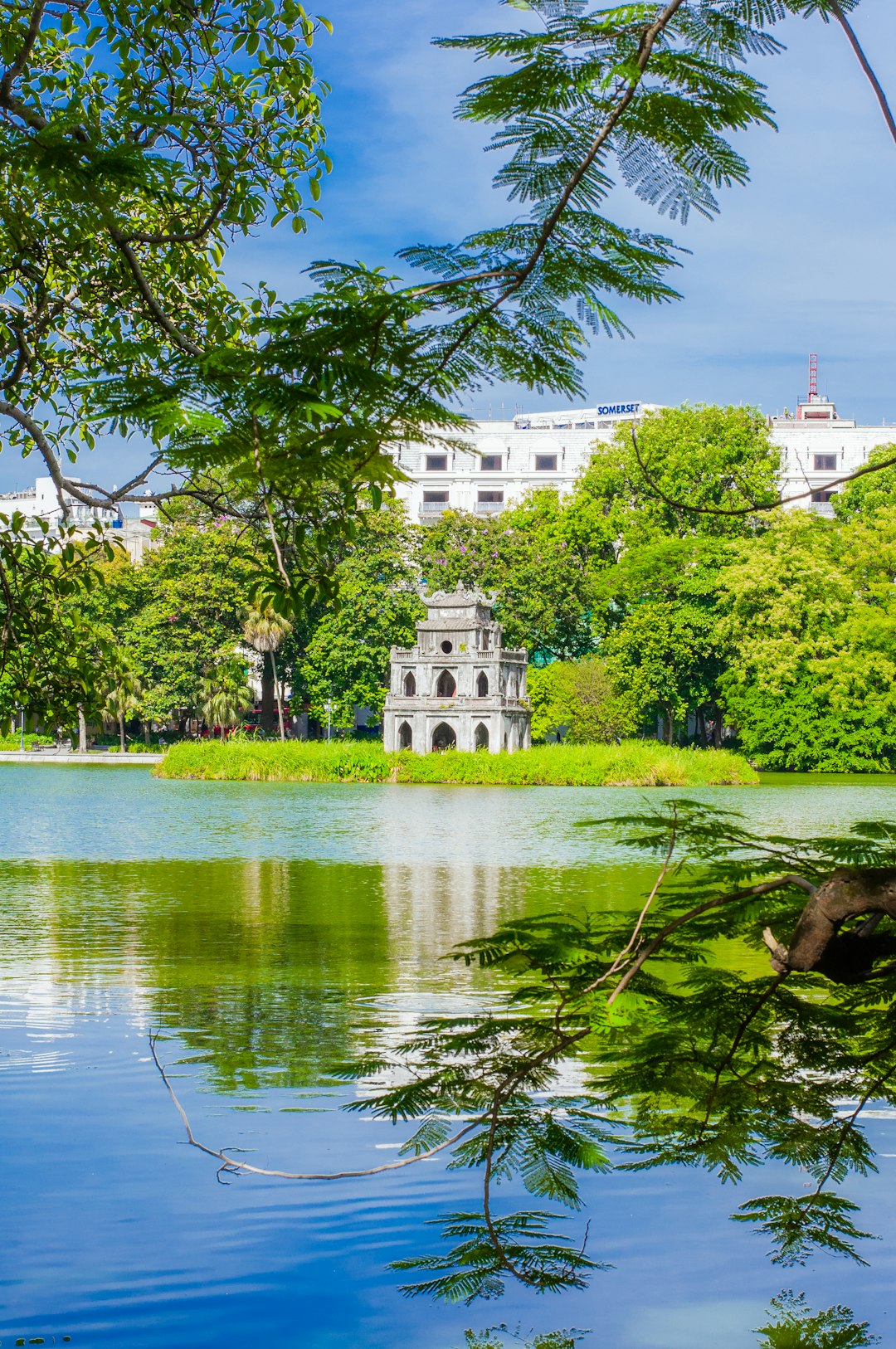
Three days in Hanoi is enough to understand why the Vietnamese capital rewards slow travel. The city is not one single attraction: it is a collection of old trading streets, lakes, colonial buildings, museums, temples, cafés, railway lines, markets and neighborhoods that change completely from morning to night.
This itinerary is designed for a first visit in 2026. Each day combines a morning activity, a walk, a local meal, an afternoon visit and a place to experience Hanoi after dark. It avoids racing across the city and keeps nearby attractions together so that much of the itinerary can be done on foot.
3 days in Hanoi at a glance
- Day 1: Hoan Kiem Lake, Old Quarter, street food, Hoa Lo Prison, St. Joseph’s Cathedral and the weekend walking streets.
- Day 2: Ba Dinh, Ho Chi Minh Mausoleum, Ho Chi Minh Museum, Temple of Literature, Truc Bach Lake and West Lake at sunset.
- Day 3: Long Bien Bridge, French Quarter, a museum, Hanoi Train Street and dinner on Tống Duy Tân.
Where to stay for a 3-day Hanoi trip
For a short first visit, the easiest base is the Old Quarter or Hoan Kiem. You can walk to the lake, restaurants, cafés, nightlife and many of the major sights without relying on taxis.
The French Quarter, south and east of Hoan Kiem Lake, is quieter and more spacious, with colonial architecture, larger hotels and easy access to the Opera House and museums. If you prefer a slower atmosphere, more greenery and lakeside cafés, Tây Hồ (West Lake) is one of Hanoi’s most pleasant areas, although you will use taxis or Grab more often to reach the historical center.
Hanoi, a city built around water
Lakes are part of the rhythm of Hanoi. Municipal information notes that the city historically had more than 100 large and small lakes and that, across today’s expanded capital, hundreds of lakes and marshes remain. The best known include Hoan Kiem Lake, West Lake, Truc Bach, Thien Quang, Bay Mau and Linh Dam. They are not just landmarks: they act as public spaces, meeting places and natural cooling areas in a dense city.
Hanoi’s official city portal lists many of the capital’s principal lakes and explains their role in the urban landscape.
Hoan Kiem Lake is the social heart of central Hanoi. On weekend evenings, particularly Friday, Saturday and Sunday, traffic restrictions turn the lake and connecting Old Quarter streets into a huge pedestrian zone. Families, walkers, runners, children, street performers and visitors fill the area. In 2026, Hanoi continues to restrict cars and motorbikes around the Hoan Kiem pedestrian zone from approximately 7 PM to midnight on Friday, Saturday and Sunday. If your three-day stay includes a Friday night, make this your evening walk.
Day 1 — Hoan Kiem Lake, Old Quarter and historic Hanoi
Morning — start with the lake and the Old Quarter
Begin early, around 7:00 AM, when central Hanoi is already awake but the heat and traffic are still manageable. Have a bowl of phở or bún riêu for breakfast, then walk toward Hoan Kiem Lake.
Walk a complete loop of the lake before crossing the red Huc Bridge to Ngoc Son Temple. This first hour gives you a simple orientation point: almost everything in the first day lies within walking distance.
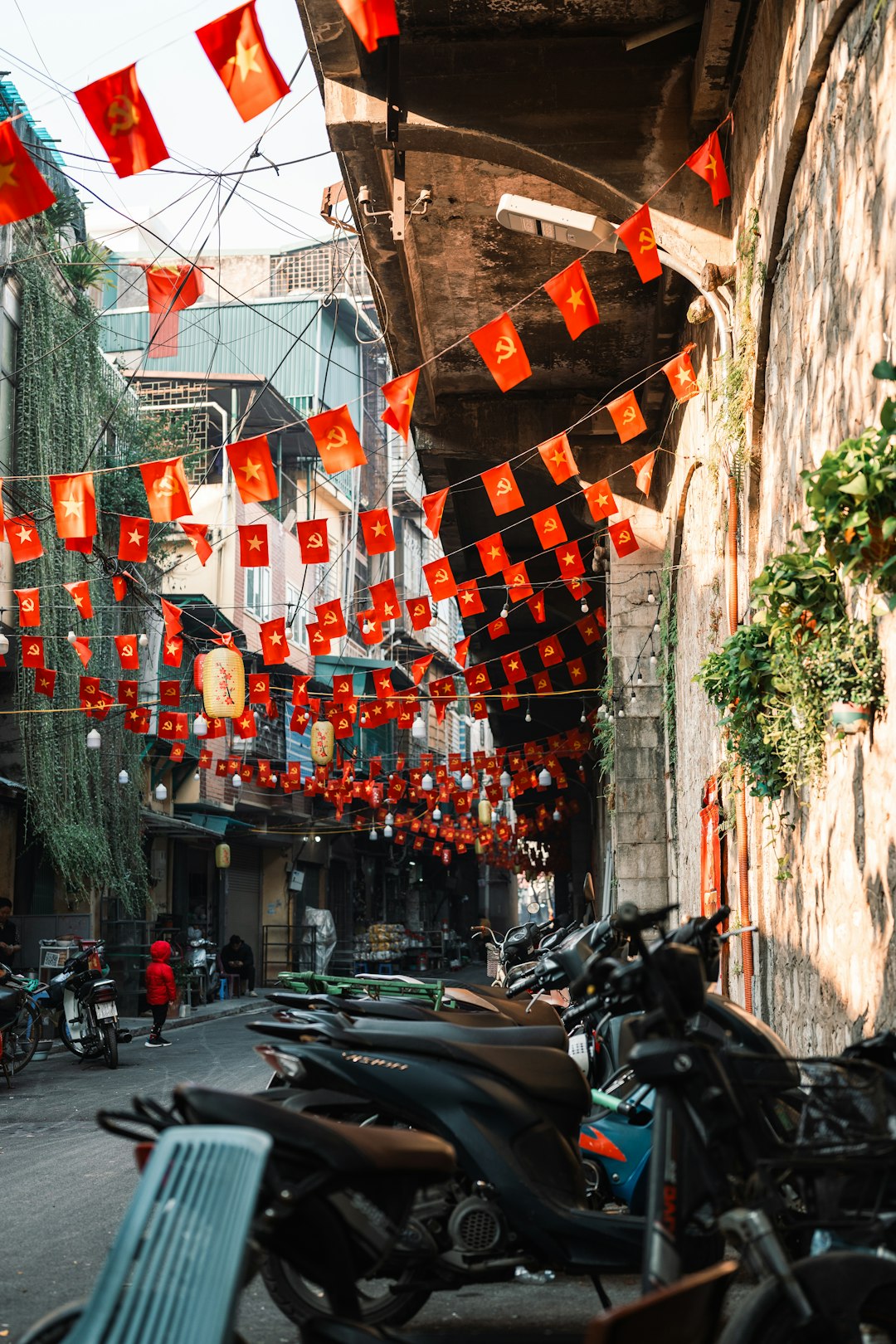
From the northern end of the lake, enter the Old Quarter. Rather than trying to see every one of its historic guild streets, wander through Hang Bac, Hang Gai, Hang Ma and the smaller alleys between them. The interest is in the details: narrow houses, family shops, food stalls, temples tucked between stores and the constant movement of scooters and pedestrians.
For more background, see our guide to Hanoi’s Old Quarter.
Lunch — make street food part of the itinerary
Do not treat lunch as a break from sightseeing: food is one of the best ways to understand Hanoi. Try bún chả, bánh cuốn, phở, bánh mì or bún đậu mắm tôm. Choose busy places where turnover is high and where locals are eating.
Our existing Hanoi street food guide gives you more dishes and ideas.
Afternoon — Hoa Lo Prison and the cathedral area
After lunch, walk south toward Hoa Lo Prison Relic, the former French colonial prison later known to American prisoners of war as the “Hanoi Hilton.” It is one of the city’s most important historical visits and works particularly well on the first day because it adds historical context to what you see elsewhere.
Hoa Lo is currently listed as open 8:00 AM to 5:00 PM daily, including public holidays. Check the official Hoa Lo Prison website before visiting. You can also see our broader article on museums to visit in Hanoi.
From Hoa Lo, walk to St. Joseph’s Cathedral and the surrounding streets. This is a good moment for coffee: try a traditional Vietnamese coffee or an egg coffee before heading back toward the lake.
Evening — water puppets, dinner and the pedestrian streets
If you want a traditional performance, the Thang Long Water Puppet Theatre beside Hoan Kiem Lake is easy to fit in before dinner. Then choose a simple Hanoi dinner: bún chả, grilled food or another street-food stop rather than a formal restaurant.
If it is Friday, Saturday or Sunday, spend the evening walking around Hoan Kiem Lake and through the pedestrian Old Quarter. Friday evening is especially pleasant because the working week gives way to a much more social city: families walk around the lake, young people meet friends, children play in the closed streets and performers appear around the public spaces. Later, continue toward Tạ Hiện if you want Hanoi’s famous small-stool beer-street atmosphere.
Day 2 — Ho Chi Minh Mausoleum, temples and Hanoi’s great lakes
Morning — Ba Dinh and the Ho Chi Minh complex
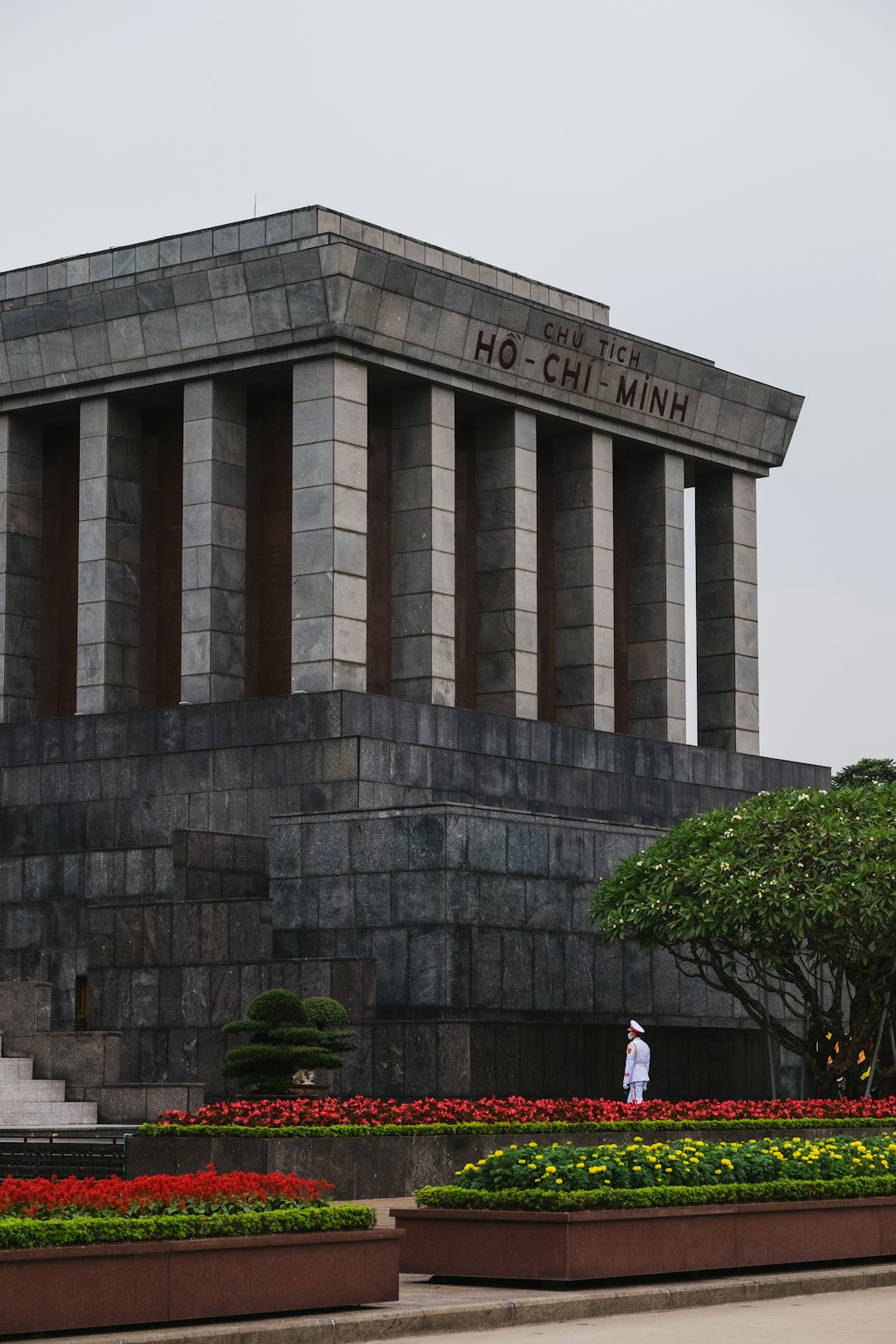
Start early in Ba Dinh, Hanoi’s political and monumental district. Visit the Ho Chi Minh Mausoleum first because access is generally concentrated in the morning and security procedures can take time. Dress respectfully and follow the instructions on site.
Continue through the presidential complex, the stilt house and the One Pillar Pagoda, then visit the Ho Chi Minh Museum. Together they explain different layers of twentieth-century Vietnamese history rather than simply presenting a single monument.
We already have a dedicated guide to visiting the Ho Chi Minh Mausoleum.
Late morning — Temple of Literature
From Ba Dinh, continue to the Temple of Literature, founded in the eleventh century and associated with Vietnam’s first national university. Allow around an hour to walk through its courtyards and gardens.
Lunch — eat somewhere simple between Ba Dinh and Truc Bach
This is a good day to try chả cá, grilled fish with herbs and turmeric, or another noodle dish. Keep lunch relatively light because the afternoon is best spent walking around the lakes.
Afternoon — Truc Bach Lake and West Lake
Take a taxi or walk north toward Truc Bach Lake. It is compact enough to explore on foot and gives you a much calmer view of Hanoi than the Old Quarter. Cross or follow Thanh Nien Road, the causeway separating Truc Bach from the enormous West Lake (Hồ Tây).
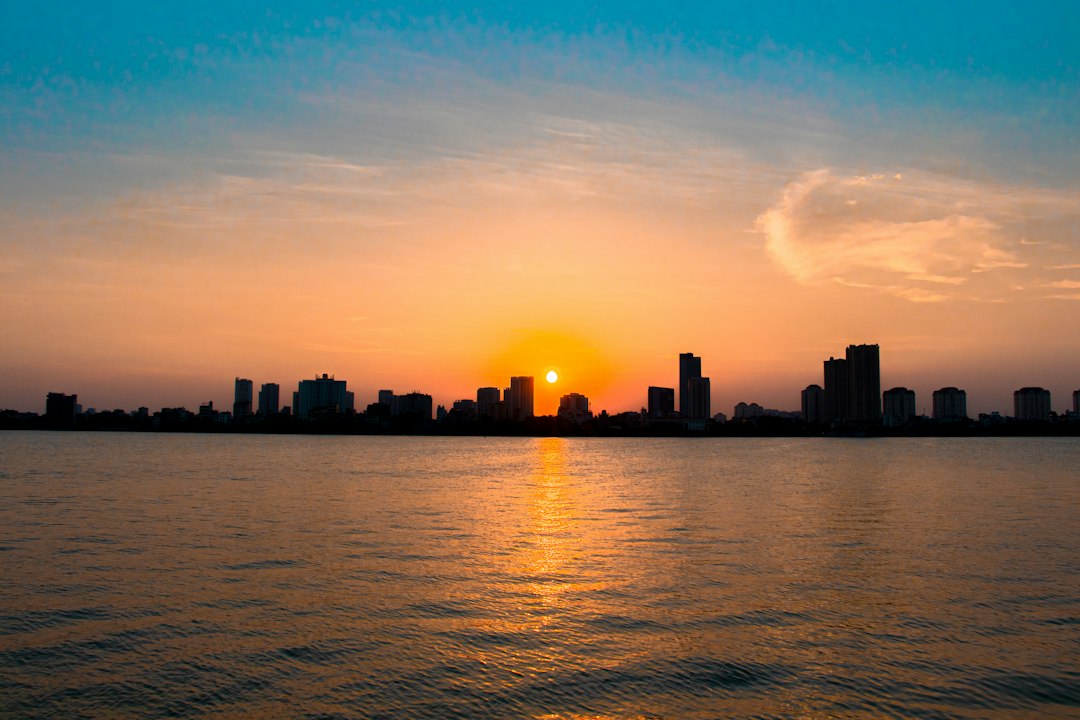
Stop at Tran Quoc Pagoda, one of Hanoi’s best-known Buddhist sites, then continue along West Lake. West Lake is the city’s largest famous urban lake and feels almost like an inland sea compared with Hoan Kiem. It is surrounded by temples, cafés, restaurants, expatriate neighborhoods and residential streets.
For more, see our existing article on Hanoi’s lakes and West Lake.
Evening — sunset and dinner around West Lake
Stay until sunset if the weather is clear. This part of Hanoi is ideal for a slower evening after the intensity of Day 1. Have dinner around Truc Bach or Tây Hồ, then choose a lakeside café, a rooftop or a quiet bar rather than returning immediately to the Old Quarter.
Day 3 — Long Bien, museums, Train Street and Tống Duy Tân
Early morning — Long Bien Bridge
Start at Long Bien Bridge. Early morning is the most atmospheric time: commuters cross the bridge, the Red River landscape is visible below and nearby wholesale markets are still active. Walk part of the bridge rather than trying to cross the entire structure if you want to save energy.
Read our article about Long Bien Bridge before you go.
Morning — French Quarter and one museum
After breakfast, move south through the French Quarter toward the Opera House. Choose one museum rather than trying to visit several in a row. Good options include:
- Vietnamese Women’s Museum — excellent for understanding family life, clothing, work and the role of women in Vietnamese history.
- Vietnam National Museum of History — a broader archaeological and historical overview.
- Vietnam National Fine Arts Museum — particularly good if you are interested in sculpture, lacquer painting and Vietnamese visual culture.
- Hoa Lo Prison — if you did not visit it on Day 1.
For addresses and more ideas, use our Hanoi museums guide.
Lunch — another local classic
Choose something you have not yet tried: bánh cuốn, phở xào, bún riêu or a simple cơm bình dân lunch. One pleasure of a three-day trip is that you do not need to repeat the same “famous” dish at every meal.
Afternoon — Hanoi Train Street
In the late afternoon, head toward Hanoi Train Street. Do not rely on an old timetable: train times and access conditions change, and parts of the railway may be controlled. Check the current schedule the same day and arrive early.
Our detailed Hanoi Train Street 2026 guide includes train times, access advice, a Google Map, safety information, photos and nearby cafés.
Dinner — Tống Duy Tân food street
After Train Street, walk a few minutes to Tống Duy Tân. This small pedestrian food street is one of the easiest places to eat late in central Hanoi. You will find local restaurants, bánh cuốn, noodles, rice dishes, cafés and 24-hour addresses such as Puku and Xofa. It is an ideal place for the final dinner of the itinerary because there is no need to travel across the city again.
Final evening — one last walk through central Hanoi
If you still have energy, finish where the trip began: walk back toward Hoan Kiem Lake and the Old Quarter. The route feels completely different at night. Alternatively, stop for one final coffee and simply watch the city.
Which museums should you prioritize?
If you only have three days, we would prioritize Hoa Lo Prison for colonial and twentieth-century history, the Ho Chi Minh Museum as part of the Ba Dinh complex, and either the Vietnamese Women’s Museum or the Vietnam National Fine Arts Museum depending on your interests.
Do not overload the itinerary with museums. Hanoi is best understood by alternating indoor visits with streets, food, lakes and neighborhoods.
Practical tips for this 3-day Hanoi itinerary
- Walk whenever possible in the Old Quarter and around Hoan Kiem; use Grab or taxis between distant neighborhoods.
- Start early. Hanoi is active from sunrise, and mornings are cooler and less congested.
- Check opening times on the day. Museums, the mausoleum and Train Street can change access schedules.
- Keep Friday, Saturday or Sunday evening for Hoan Kiem if your dates allow it, because the pedestrian zone changes the atmosphere of the center.
- Eat locally. A busy street-food stall can be as memorable as a major monument.
- Do not try to see everything. Three days should give you a feel for Hanoi, not turn the city into a checklist.
Continue the Hanoi Traveler’s Guide 2026
This is Part 1 of our Hanoi Traveler’s Guide 2026 series. The next parts will go deeper into the city’s best cafés, street food, neighborhoods, nightlife, markets, Old Quarter, day trips and hidden places. Once the full series is complete, our main Hanoi Traveler’s Guide 2026: Everything You Need to Know will bring all the guides together in one place.