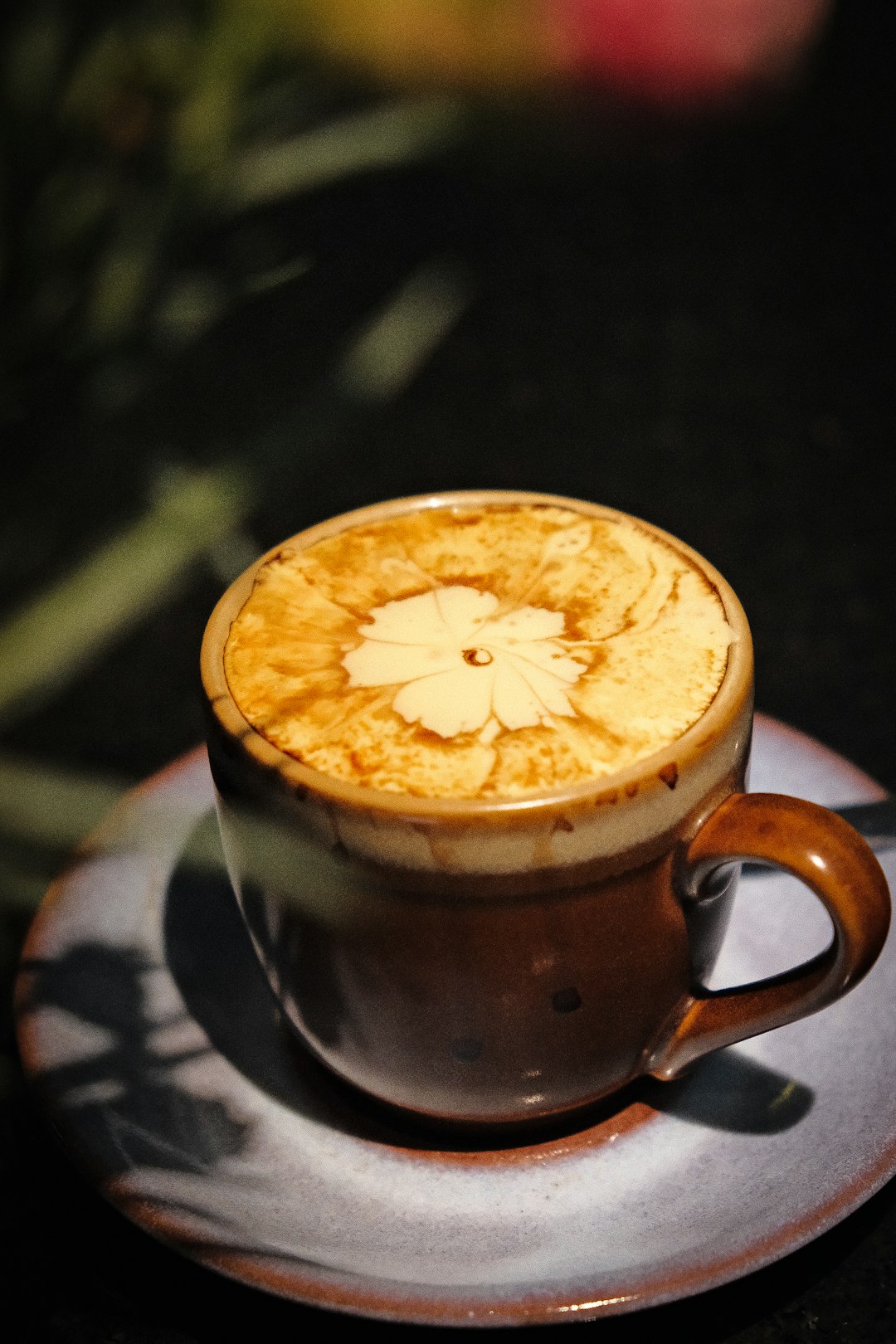
Hanoi is one of the great coffee cities of Asia. Coffee here is not simply something you buy on the way to work. It is a daily ritual: a slow phin filter dripping into a glass, friends sitting on tiny stools, long conversations in hidden upstairs rooms, and increasingly, a new generation of specialty roasters treating Vietnamese beans with the same seriousness as wine.
This is Part 2 of our Hanoi Traveler’s Guide 2026. Rather than giving you an endless list, we have selected cafés that show different sides of Hanoi: the birthplace of egg coffee, old-school lake-view institutions, hidden cafés in colonial buildings, specialty coffee, 24-hour cafés and places where the setting is as memorable as the drink.
If this is your first visit, start with Part 1: 3 Days in Hanoi. You can easily fit several of the cafés below into that itinerary.
Hanoi coffee culture: what makes it different?
Vietnam is one of the world’s major coffee-producing countries, and Hanoi has developed its own way of drinking it. Traditional Vietnamese coffee is commonly brewed through a small metal phin filter. The process is slow, concentrated and intentionally unhurried.
The most common bean is Robusta, stronger, more bitter and higher in caffeine than the Arabica used in many Western cafés. In Hanoi, that intensity is often balanced with sweetened condensed milk, ice, coconut cream or — most famously — whipped egg yolk.
Some drinks to look for:
- Cà phê đen: strong black Vietnamese coffee, hot or iced.
- Cà phê sữa: coffee with sweetened condensed milk.
- Cà phê trứng: Hanoi egg coffee, with a thick whipped egg cream.
- Cà phê cốt dừa: coffee blended with coconut cream or coconut milk.
- Bạc xỉu: a milkier, sweeter drink with less coffee.
- Modern specialty coffee: pour-over, espresso and lighter-roasted Vietnamese beans, increasingly common across the city.
1. Cafe Giang — the birthplace of Hanoi egg coffee
39 Nguyễn Hữu Huân, Hoàn Kiếm
If you visit only one historical coffee house in Hanoi, make it Cafe Giang. Nguyễn Văn Giảng created cà phê trứng in 1946, when fresh milk was difficult to obtain. He whipped egg yolk with sugar and condensed milk to create a thick cream that could sit on top of strong Vietnamese coffee.
The result is closer to a liquid dessert than a cappuccino: bitter coffee underneath, warm sweet egg cream above. The original café is hidden behind a narrow entrance on Nguyễn Hữu Huân. It still feels pleasantly unpolished — small tables, low stools and a constant stream of locals and travelers.
Order: the classic hot egg coffee first. If you like it, Giang also serves variations including egg cocoa and other egg-based drinks.
Official Cafe Giang website · Open in Google Maps
Watch: the story of Cafe Giang and egg coffee
This video explores the history of Cafe Giang and the drink that became one of Hanoi’s best-known culinary signatures.
2. Cafe Dinh — old Hanoi above Hoan Kiem Lake
13 Đinh Tiên Hoàng, Hoàn Kiếm
Cafe Dinh is smaller, harder to find and in many ways even more atmospheric than Giang. It is upstairs above the street, accessed through a narrow entrance that many visitors walk past without noticing.
Dinh is connected to the same family tradition as Giang and is also known for egg coffee. What makes it special is the view and the atmosphere: old tables, students and longtime customers, sunflower seeds, slow coffee and glimpses of Hoan Kiem Lake from above.
Best for: feeling the older rhythm of Hanoi rather than simply ticking “egg coffee” off a list.
3. Loading T Café — coffee inside a 1930s building
2nd floor, 8 Chân Cầm, Hoàn Kiếm
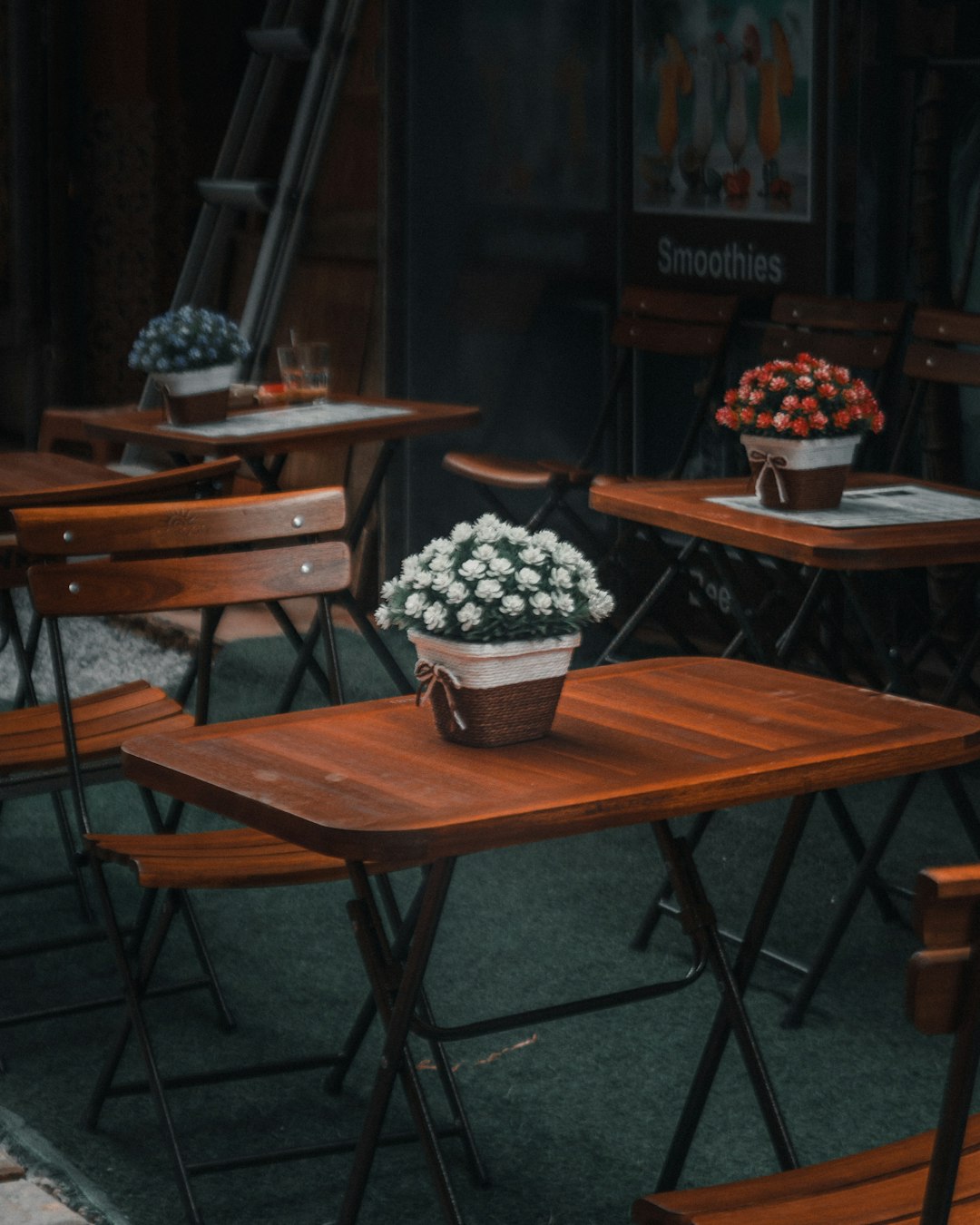
Loading T is the sort of place you could easily miss even when standing directly outside it. The café occupies an upper floor of an old building close to St. Joseph’s Cathedral. Inside, patterned tiles, exposed brick, vintage furniture and old architectural details create one of the most distinctive café interiors in the center.
It is known for creative coffee drinks, including its own take on egg coffee. It is a good stop between the cathedral, the Old Quarter and Hoa Lo Prison.
Best for: architecture, quiet atmosphere and a slower afternoon coffee.
Open Loading T Café in Google Maps

4. Café Phố Cổ — hidden entrance, rooftop lake view
11 Hàng Gai, Hoàn Kiếm
Café Phố Cổ is one of the classic “hidden Hanoi” experiences. The entrance is tucked behind a shop on busy Hàng Gai. Walk through the narrow passage, climb several levels and you eventually reach terraces looking over Hoan Kiem Lake.
The coffee itself is traditional rather than experimental, but the setting is the reason to come. Go in the late afternoon when the light over the lake begins to soften.
Best for: a panoramic Old Quarter coffee without going to a modern rooftop bar.
Open Café Phố Cổ in Google Maps
5. The Note Coffee — colorful, friendly and very central
64 Lương Văn Can, Hoàn Kiếm
The Note Coffee is not where we would send a coffee purist first, but it has become one of central Hanoi’s most recognizable cafés. Thousands of handwritten notes from visitors cover the walls, stairs and furniture.
Its location just beside Hoan Kiem makes it easy to include in a walking day. It is cheerful, photogenic and particularly popular with first-time visitors.
Best for: atmosphere, travelers, a quick break near the lake and a memorable interior.
Open The Note Coffee in Google Maps
6. Blackbird Coffee — for serious coffee drinkers
11A Đặng Dung, Ba Đình
Hanoi is not only about condensed milk and egg cream. The city has a rapidly developing specialty-coffee scene, and Blackbird Coffee is a good place to experience it.
Expect espresso-based drinks, carefully brewed coffee and a more contemporary approach to beans and roasting. This is the place to go if you want to taste Vietnamese coffee without masking it under a large amount of sugar.
Best for: espresso, specialty beans and people who care about the coffee itself as much as the setting.
Open Blackbird Coffee in Google Maps
7. Xofa Café & Bistro — Hanoi coffee at 3 AM
14 Tống Duy Tân, Hoàn Kiếm — open 24 hours
Xofa is one of the most useful cafés in Hanoi because it never really closes. Set on Tống Duy Tân food street, it combines café culture with a comfortable all-day bistro: sofas, indoor rooms, a courtyard, breakfast, pastries, coffee and full meals.
It is equally useful at 8 AM after an early arrival, at midnight after a night out, or while waiting for a late train passage nearby. If you have read our Train Street guide, you will recognize Tống Duy Tân as the food street only a short walk from the railway.
Best for: late-night coffee, breakfast, working on a laptop and long conversations.
Open Xofa Café & Bistro in Google Maps
8. Puku Cafe & Sports Bar — another 24-hour Hanoi institution
16–18 Tống Duy Tân, Hoàn Kiếm — open 24 hours
A few steps from Xofa, Puku is less of a classic Vietnamese coffee house and more of an all-hours meeting point. It mixes café, restaurant and sports bar, serving breakfast, coffee, Vietnamese and international food, beer and cocktails around the clock.
This makes it particularly useful for travelers arriving at odd hours, people looking for somewhere after the rest of the neighborhood has closed, or anyone wanting to watch international sport.
Best for: 24/7 service, groups, late-night food and sports.
Puku website · Open in Google Maps
For the surrounding area, see our Hanoi Train Street 2026 guide, which also covers Tống Duy Tân.
9. Cộng Cà Phê — the famous Vietnamese chain worth trying once
Multiple Hanoi locations
Cộng has expanded far beyond Hanoi, but the brand is deeply tied to the city’s visual culture. Its cafés use retro furniture, military-green fabrics, old books, enamel cups and design references to twentieth-century Vietnam.
The signature drink for many visitors is coconut coffee: strong coffee blended with a sweet frozen coconut mixture. It is closer to a dessert than a traditional phin coffee, but on a hot Hanoi afternoon it makes perfect sense.
Best for: coconut coffee, accessible locations and a recognizable Vietnamese café experience.
10. West Lake cafés — where Hanoi slows down
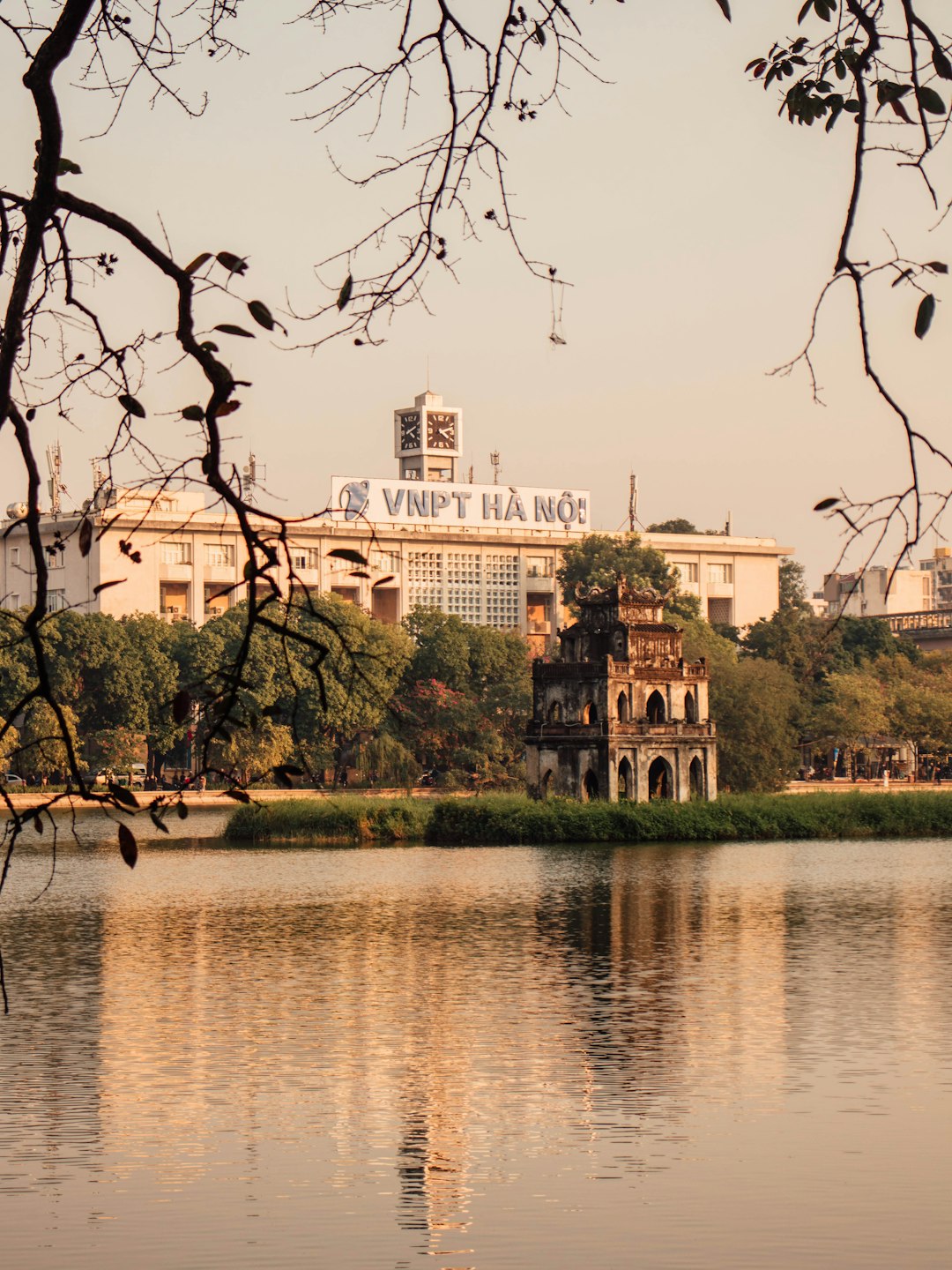
Some of Hanoi’s best coffee experiences are not about one famous address. Around West Lake (Hồ Tây), dozens of cafés face the water or sit on quieter residential streets. This is where to go when you want to leave the intensity of the Old Quarter behind.
Choose a café around Quảng An, Nhật Chiêu or the Trúc Bạch side, order a coffee, and stay through sunset. The lake changes the pace of the city completely.
Best for: sunset, long conversations, working, reading and a quieter side of Hanoi.
If you only have time for three cafés
If your Hanoi stay is short, we would choose three completely different experiences:
- Cafe Giang — for the original egg coffee and Hanoi history.
- Loading T — for a hidden Old Quarter interior and a slower atmosphere.
- Blackbird Coffee — to understand where modern Vietnamese specialty coffee is going.
If you are out late, add Xofa or Puku. If you want the view rather than the coffee itself, go to Café Phố Cổ or head to West Lake.
When is the best time to visit Hanoi cafés?
Hanoi cafés change character throughout the day. Early morning is excellent for traditional street-side coffee and watching the city wake up. Late morning is quieter in many Old Quarter cafés. The period from roughly 2 PM to 5 PM is when cafés begin filling again with students, meetings and friends.
Evening coffee is completely normal in Hanoi. Many cafés stay open until 10 PM or later, and Xofa and Puku operate 24 hours. If caffeine affects your sleep, remember that Vietnamese Robusta can be substantially stronger than the coffee you may be used to.
How much does coffee cost in Hanoi?
Traditional local coffee can still be inexpensive, while design-led cafés, specialty roasters and tourist-heavy Old Quarter addresses charge more. As a rough guide, expect anything from around 25,000 VND for a simple local coffee to 60,000–90,000 VND or more for specialty drinks, elaborate egg coffees or drinks in premium cafés.
The cheapest café is not automatically the most authentic, and the most expensive is not necessarily the best. In Hanoi, the setting, neighborhood and pace of the experience matter almost as much as what is in the cup.
Coffee and food: what to combine
Coffee is rarely far from food in Hanoi. A strong morning coffee works well after phở; egg coffee is almost a dessert on its own; coconut coffee is ideal in the heat; and late-night coffee often comes after noodles or grilled food.
For what to eat between café stops, see our Hanoi street food guide. We will also return to food in much greater detail in Part 3 of the Hanoi Traveler’s Guide 2026.
Continue the Hanoi Traveler’s Guide 2026
This is Part 2: Best Cafés in Hanoi. The series begins with Part 1: 3 Days in Hanoi. Next comes Part 3: Hanoi Street Food, followed by guides to where to stay, nightlife, markets, the Old Quarter, day trips and hidden places.