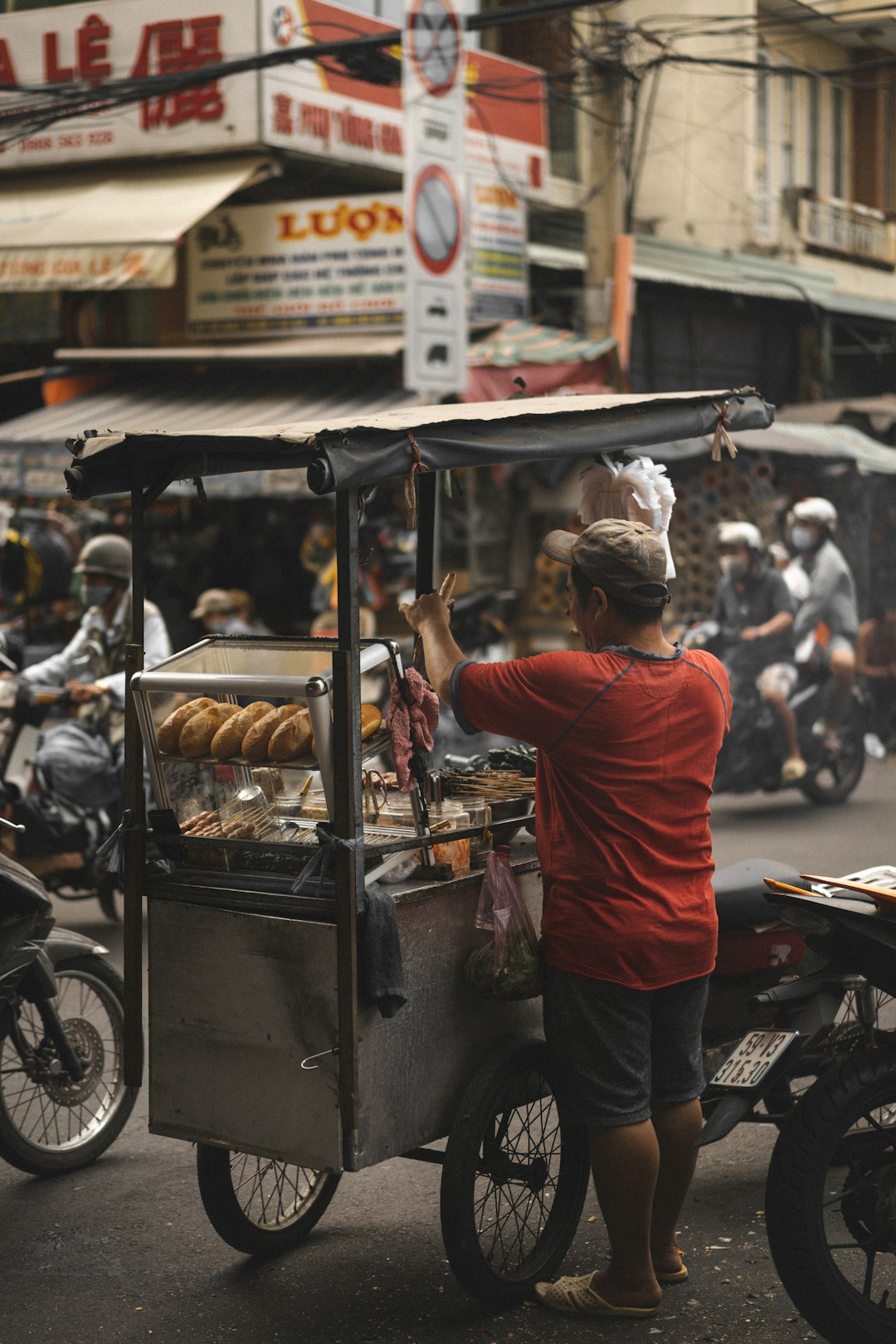
Hanoi is a city you can eat your way through. The best meals are often not behind polished restaurant doors but on a pavement, in a narrow alley, beside a charcoal grill or at a family shop that has been serving the same dish for decades.
This is Part 3 of our Hanoi Traveler’s Guide 2026. The goal is simple: help you understand what to eat, when to eat it, how to order it and where to start without turning your trip into an exhausting checklist.
If you are planning your first visit, begin with Part 1: 3 Days in Hanoi. For coffee before, after or between meals, see Part 2: Best Cafés in Hanoi.
How Hanoi street food works
Hanoi food is highly regional and often very specialized. A small shop may make only one dish, serve it for a few hours, sell out and close. That is part of the experience. The Old Quarter is the easiest place to start because dozens of iconic dishes are packed into a walkable area, but some of the best food is found just beyond it.
A useful rule is to eat by time of day. Phở, bánh cuốn, xôi and cháo are especially common in the morning. Bún chả is traditionally a lunch dish. Chả cá works well for lunch or dinner. Snails, grilled snacks, hotpot and bia hơi belong naturally to the evening.
Vietnam Tourism highlights phở bò, bún chả and bánh mì as the three best-known staples, but Hanoi’s food culture goes much further: bánh cuốn, bún ốc, bún cá, bún thang, chả cá, bún đậu and many other dishes are central to the capital’s identity.
Vietnam Tourism: 10 must-try Hanoian dishes
1. Phở — start with Hanoi’s most famous breakfast
Phở is eaten all over Vietnam, but Hanoi-style phở is generally cleaner and more restrained than many southern versions. The broth is the focus: beef bones, spices, charred onion and ginger, rice noodles and thinly sliced meat.
For a classic bowl, try phở bò with beef. If you prefer something lighter, phở gà with chicken is equally Hanoian.
Best time: early morning, ideally between 6 AM and 9 AM.
A classic address: Phở Gia Truyền, 49 Bát Đàn, Hoàn Kiếm. Another established option is Phở 10 Lý Quốc Sư.
Open Phở Gia Truyền in Google Maps
2. Bún chả — Hanoi’s essential lunch
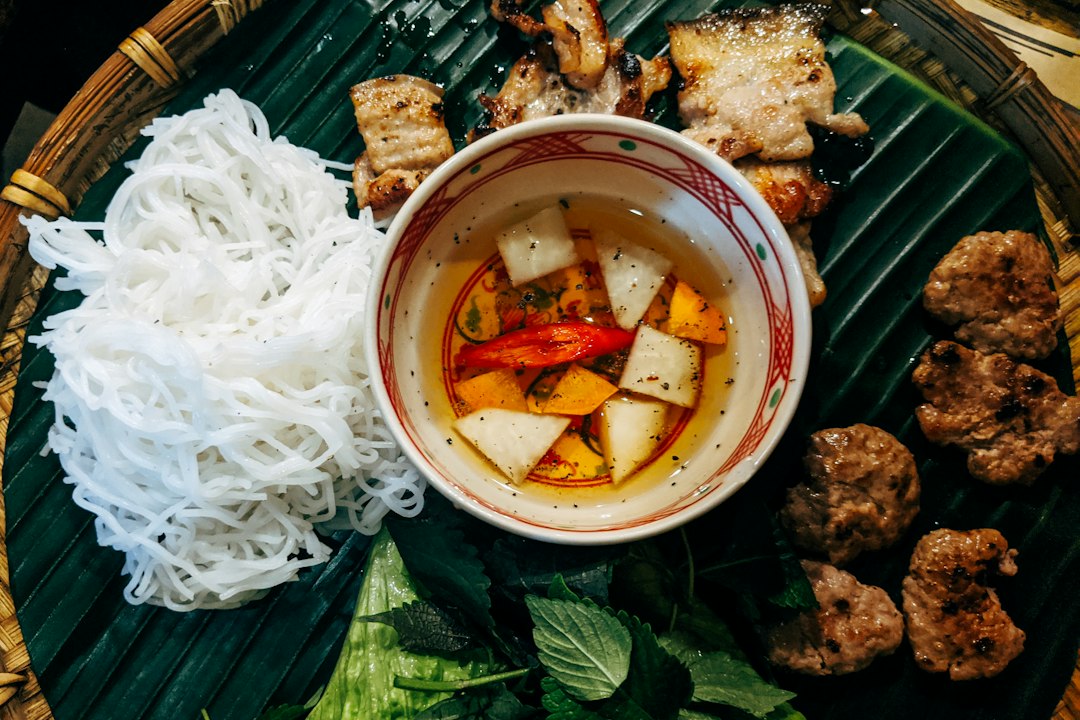
If phở is the city’s best-known breakfast, bún chả may be its most characteristic lunch. Pork patties and slices of pork belly are grilled over charcoal, then served with rice vermicelli, herbs and a bowl of warm sweet-and-sour fish sauce.
The correct way to eat it is simple: add some noodles and herbs to the dipping bowl, pick up a piece of grilled pork and eat everything together.
Best time: late morning to early afternoon. Many traditional bún chả shops are busiest from around 11 AM to 2 PM.
Try: Bún Chả Đắc Kim on Hàng Mành for a central Old Quarter option, or Bún Chả Hương Liên on Lê Văn Hưu, famous for the 2016 meal shared by Anthony Bourdain and Barack Obama.
Open Bún Chả Đắc Kim in Google Maps
3. Bánh cuốn — one of the best Hanoi breakfasts
Bánh cuốn are delicate steamed rice sheets rolled around minced pork and mushrooms, topped with fried shallots and served with herbs, Vietnamese sausage and a bowl of light fish sauce.
They are made to order by spreading a thin rice batter over cloth stretched above boiling water. The result is soft, translucent and surprisingly light.
Best time: breakfast or a light lunch.
Try: Bánh Cuốn Bà Hoành, one of Hanoi’s long-established bánh cuốn addresses, or a busy neighborhood stall where the rice sheets are being steamed in front of you.
Open Bánh Cuốn Bà Hoành in Google Maps
4. Chả cá — turmeric fish, dill and one of Hanoi’s signature dishes
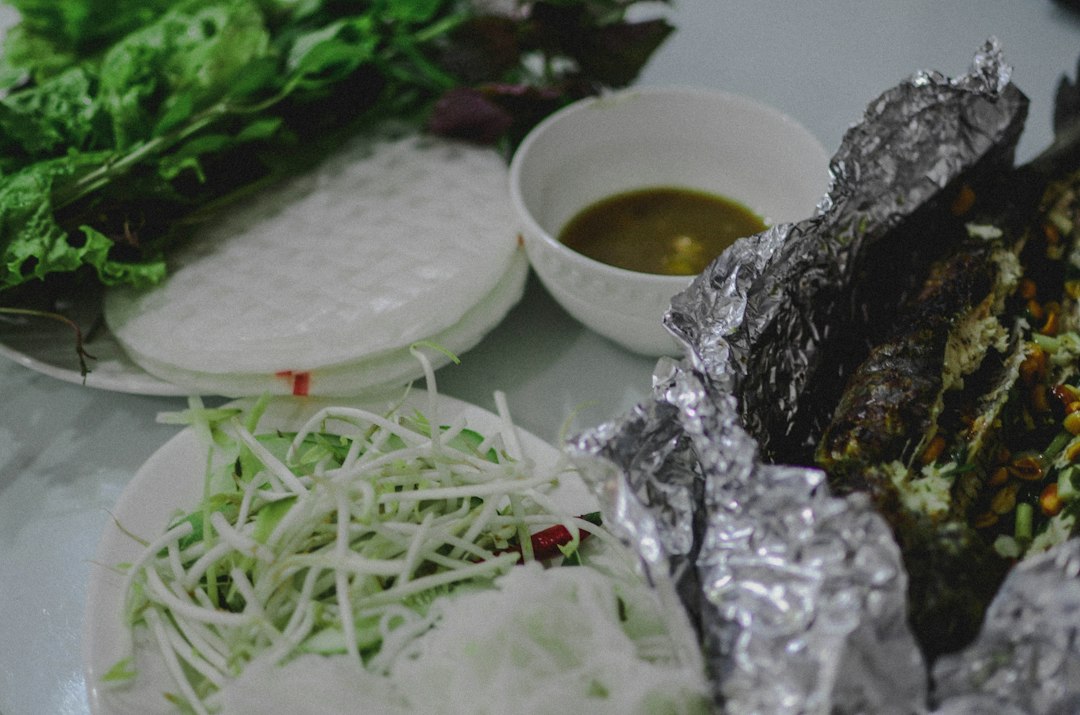
Chả cá is one of Hanoi’s most distinctive dishes. Fish is marinated with turmeric, cooked and then finished at the table with large quantities of fresh dill and spring onion. It is eaten with rice noodles, peanuts, herbs and usually mắm tôm, the pungent fermented shrimp paste that divides first-time visitors.
The dish became so closely associated with one Old Quarter street that the street itself became known as Chả Cá Street.
Best time: lunch or dinner. Unlike many street-food dishes, this one is usually a sit-down meal.
Try: Chả Cá Thăng Long, 6B Đường Thành, or the historic Chả Cá Lã Vọng.
Open Chả Cá Thăng Long in Google Maps
5. Bún đậu mắm tôm — simple, strong and very local
Bún đậu combines fresh rice noodles, crisp fried tofu, herbs and often pork, sausage or fried spring rolls. The traditional dipping sauce is mắm tôm, fermented shrimp paste mixed with lime, sugar and chili.
Its smell is strong, but the combination is one of the most satisfying street-food lunches in Hanoi. If you are not ready for mắm tôm, many places will provide fish sauce instead.
Best time: lunch.
6. Bún ốc — Hanoi snail noodle soup
Bún ốc is a classic Hanoi comfort food built around snails, rice noodles, tomato and a lightly sour broth. The acidity traditionally comes from giấm bỗng, fermented rice vinegar, which gives the soup a flavor quite different from phở.
This is a good dish to try when you want something local that is much less internationally famous.
Best time: breakfast or lunch, although some shops serve it later.
7. Bún thang — one of Hanoi’s most elegant noodle soups
Bún thang looks simple but is surprisingly intricate: fine rice noodles, shredded chicken, thin strips of omelette, Vietnamese ham, herbs and a clear, delicate broth.
It is traditionally linked to the reuse of foods left after Tết and is a good example of Hanoi’s preference for balanced, subtle flavors rather than overwhelming heat.
Try: Bún Thang Bà Đức around Cầu Gỗ in the Old Quarter.
Open Bún Thang Bà Đức in Google Maps
8. Bún cá — crispy fish in a sour-sweet broth
Bún cá combines rice noodles with pieces of fried fish, tomato, greens and a broth that balances sweetness and acidity. The crisp fish softens slowly in the soup while still keeping texture.
Try: Bún Cá Sâm Cây Si, in Trung Yên Alley near Hàng Bạc, an address also recommended by Vietnam Tourism.
Open Bún Cá Sâm Cây Si in Google Maps
9. Xôi — Hanoi’s fast, filling sticky-rice breakfast
Xôi is glutinous sticky rice served in dozens of variations. Xôi xéo is particularly associated with Hanoi, usually combining yellow mung bean, fried shallots and chicken fat. Other versions come with pork, chicken, sausage or egg.
It is cheap, portable and ideal when you need breakfast quickly before an early museum visit or train.
Best time: morning.
10. Nộm bò khô — the perfect afternoon snack
Nộm bò khô is a fresh green-papaya salad mixed with carrot, herbs, peanuts, dried beef and a sweet-sour dressing. It is crunchy, bright and much lighter than a bowl of noodles.
Try: Long Vi Dung on Hoàn Kiếm Street, another long-established address highlighted by Vietnam Tourism.
Open Long Vi Dung in Google Maps
11. Bánh mì — not uniquely Hanoi, but impossible to ignore
Bánh mì exists across Vietnam, so it is not specifically a Hanoi invention. Still, it is one of the most useful foods for travelers: fast, inexpensive and available almost everywhere.
Fillings vary enormously — pâté, pork, chicken, egg, sausage, herbs and pickled vegetables. In the Old Quarter, it makes an ideal snack between museum visits or before a night out.
Best time: almost any time of day.
12. Egg coffee — dessert, drink or both?
Technically a drink, cà phê trứng belongs in any Hanoi food guide. Strong Robusta coffee is topped with a thick cream made from whipped egg yolk, sugar and condensed milk.
The classic starting point is Cafe Giang, where Nguyễn Văn Giảng created the drink in 1946. We cover it in detail in Part 2: Best Cafés in Hanoi.
Watch: a 2026 Hanoi street-food tour
This recent food tour is a useful visual introduction to the way breakfast and street food actually look in Hanoi — from bún chả to bánh mì and local snacks.
A simple one-day Hanoi street-food route
If you want to turn this guide into a self-guided food day, use this rhythm:
- 7:00–8:00 AM: phở or bánh cuốn for breakfast.
- 10:00 AM: coffee in the Old Quarter.
- 11:30 AM–1:00 PM: bún chả for lunch.
- 3:00 PM: nộm bò khô, chè or another light snack.
- 6:30 PM: chả cá, bún ốc or bún cá.
- 8:30 PM onward: Tạ Hiện, grilled snacks or Tống Duy Tân for late-night food.
This route fits naturally into the center of Hanoi and can be combined with our guide to the Old Quarter.
Where to eat after dark
Hanoi does not stop eating when the sun goes down. The Old Quarter becomes particularly lively around Tạ Hiện and Lương Ngọc Quyến, where bia hơi, grilled meat, fried snacks and casual dishes take over the sidewalks.
For a slightly different late-night option, walk toward Tống Duy Tân, close to Hanoi Train Street. The street has cafés, noodle shops, bánh cuốn and several places that operate very late or around the clock.
If you are combining dinner with the railway, use our Hanoi Train Street 2026 guide for current access and train-time advice.
How to choose a good street-food stall
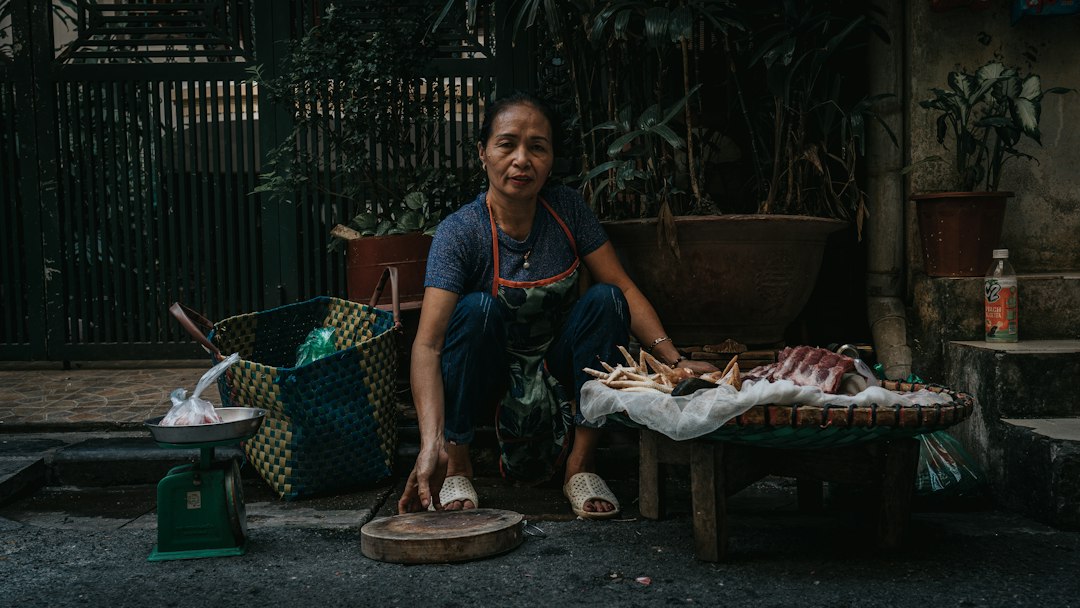
The best street-food rule is not to chase the prettiest restaurant. Look for a place that is busy, specialized and turning food over quickly. A small stall that makes one dish extremely well can be a better bet than a restaurant with a twenty-page menu.
- Choose busy places with a steady flow of local customers.
- Prefer food that is cooked fresh and served hot.
- Watch how ingredients are stored and handled.
- Carry small-denomination cash; many simple stalls are still cash-first.
- Do not assume that a queue means poor service — some of Hanoi’s classic shops are organized around very fast turnover.
- If you have allergies, prepare the Vietnamese names of the ingredients you need to avoid.
How much does Hanoi street food cost in 2026?
Prices vary greatly depending on location and fame, but simple street-food meals remain inexpensive by international standards. A basic bowl or plate may cost around 30,000–60,000 VND, while famous central addresses and larger portions often fall around 60,000–100,000 VND. Chả cá and more elaborate sit-down meals can cost significantly more.
Tourist-heavy places around Hoan Kiem may charge more than neighborhood shops a few streets away. That does not automatically make them bad — just understand what you are paying for.
What should you eat if you only have one day?
If time is limited, our five essential Hanoi food experiences would be:
- Phở for breakfast.
- Bún chả for lunch.
- Bánh cuốn or nộm bò khô as a snack.
- Chả cá for dinner.
- Egg coffee somewhere in between.
That gives you broth, charcoal grilling, steamed rice, herbs, fermented flavors and Hanoi coffee culture in a single day.
Continue the Hanoi Traveler’s Guide 2026
This is Part 3: Hanoi Street Food. Read Part 1: 3 Days in Hanoi and Part 2: Best Cafés in Hanoi.
The next guides will cover where to stay in Hanoi, Hanoi at night, markets, the Old Quarter, day trips and hidden places. When the series is complete, all of them will be connected through the main Hanoi Traveler’s Guide 2026: Everything You Need to Know.