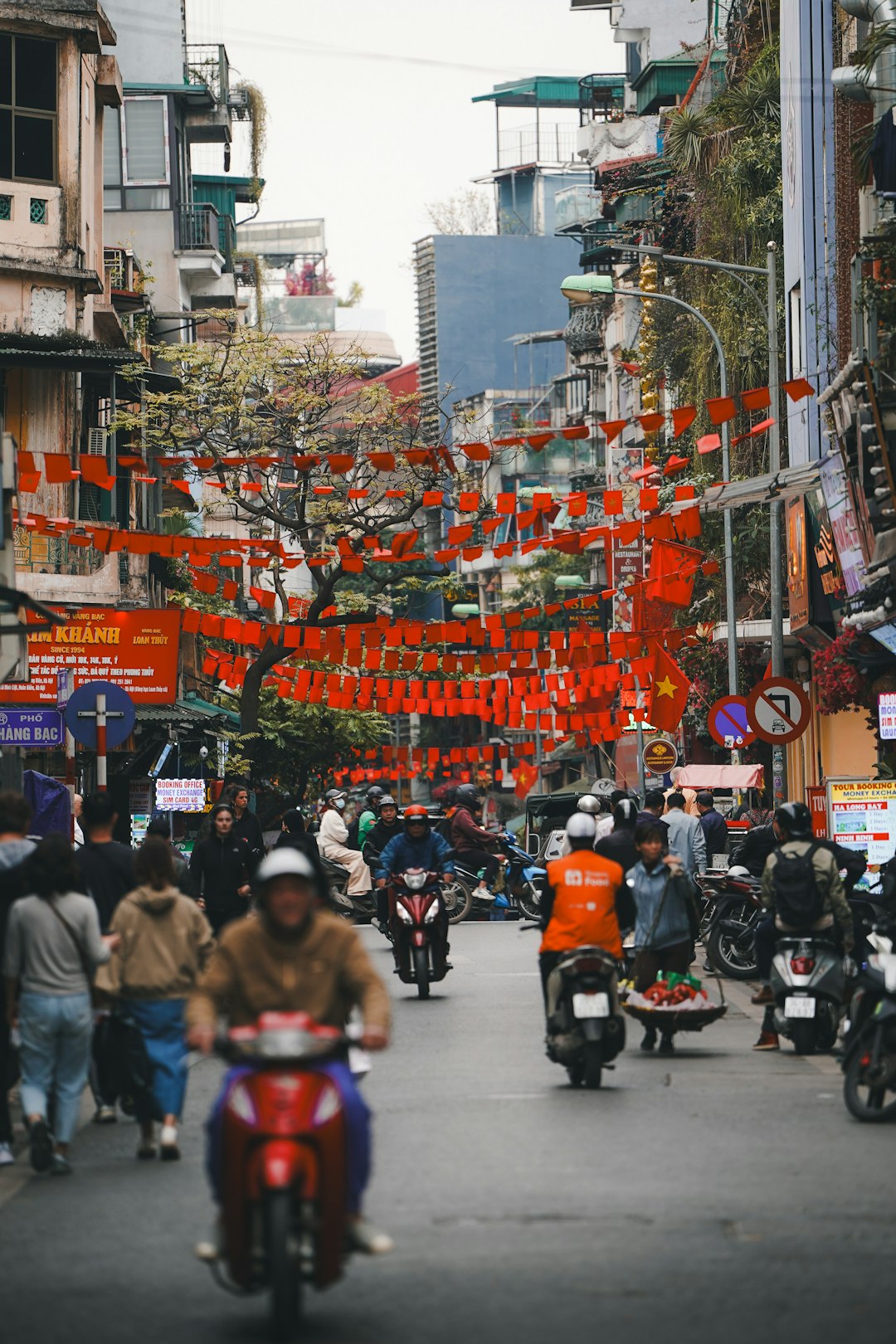
Hanoi hidden gems are not necessarily secret. They are the places where everyday city life, architecture, street art and history reward travelers who slow down. In this 2026 guide, we explore eight rewarding stops beyond the most familiar tourist checklist.
Start with the Old Quarter, but venture into the neighborhoods around Trúc Bạch and Ba Đình too. Use this guide alongside our Old Quarter guide and best day trips guide.
1. Phùng Hưng Mural Street
The arches of an old railway viaduct on the edge of the Old Quarter have become an open-air gallery. Painted panels recall Hanoi’s traditional street traders, neighborhood scenes and changing urban life. Walk the full section rather than photographing only the first mural. Morning light and smaller crowds make it especially enjoyable.
Find Phùng Hưng Mural Street on Google Maps. Allow 20–40 minutes.
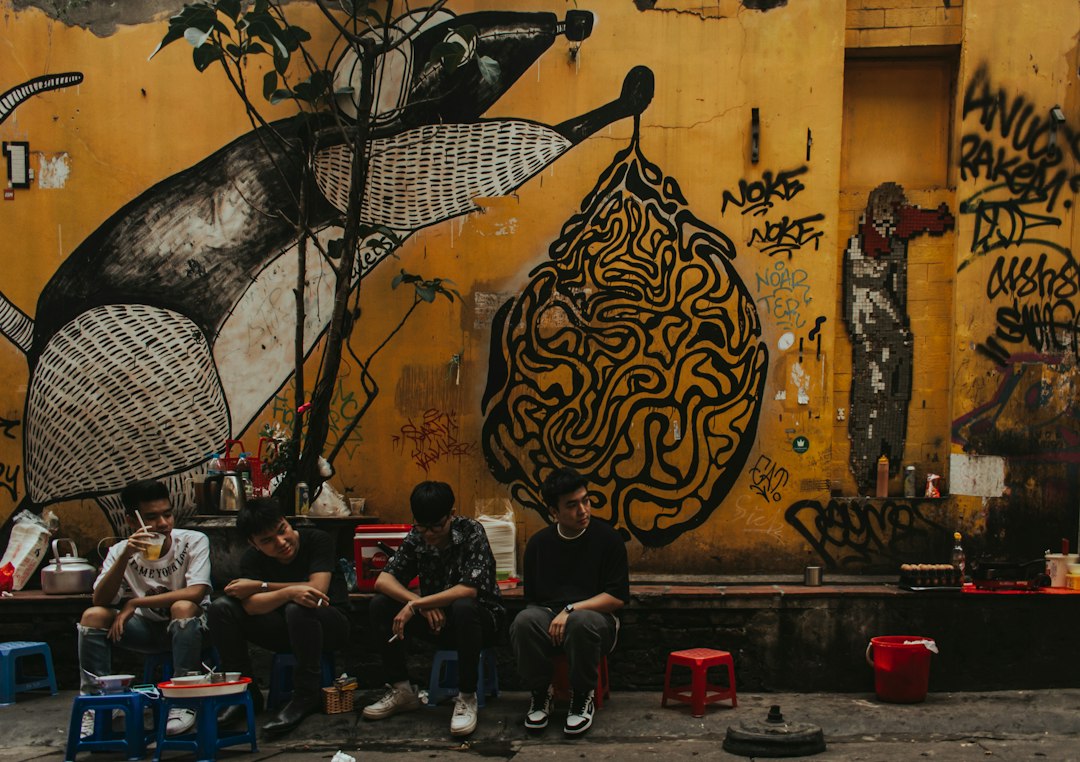
2. Heritage House at 87 Mã Mây
Quiet courtyards reveal the architecture of traditional merchant homes.
Step through the narrow frontage of a restored merchant’s home to discover the courtyards, timber details and long internal layout that shaped Old Quarter life. The house reopened after restoration in 2026. Check admission and current hours on arrival, since holiday programs can change them.
Find 87 Mã Mây on Google Maps. Allow 30–45 minutes. Plan to spend extra time examining the inner courtyards.
3. Hàng Buồm’s overlooked heritage sites
Near Mã Mây, look for Bạch Mã Temple at 76 Hàng Buồm, the historic building at 22 Hàng Buồm, Kim Ngân Communal House at 42 Hàng Bạc and the Old Quarter Cultural Exchange Center at 50 Đào Duy Từ. These small sites reveal the city’s craft guilds, places of worship and neighborhood history. Dress respectfully and verify opening hours and admission on arrival.
4. Trúc Bạch Lake and Ngũ Xã
Just north of the historic center, Trúc Bạch feels noticeably calmer than Hoàn Kiếm. The small lake, shaded pavements and residential lanes make it a good place to slow down after the Old Quarter. The neighborhood of Ngũ Xã is especially worth exploring for phở cuốn — soft rice-noodle rolls filled with beef and herbs — and phở chiên phồng, crisp fried noodle squares topped with beef and greens.
The appeal here is the combination of food and everyday neighborhood life rather than a single monument. Walk the lakeside, then turn into the smaller streets around Ngũ Xã and Châu Long.
Trúc Bạch Lake on Google Maps. Allow 1–2 hours including a meal.
5. 19 December Book Street
Phố Sách 19/12 is a short pedestrian book street tucked behind one of central Hanoi’s busier districts. It is compact, landscaped and easy to miss if you are moving quickly between the city’s better-known sights.
Browse Vietnamese publishers, translated fiction, children’s books, design titles, photography books and stationery. Even if you do not read Vietnamese, it is an enjoyable place to pause for coffee and browse local visual culture. It works particularly well as a quiet break between the French Quarter and the Old Quarter.
19 December Book Street on Google Maps. Allow 30–60 minutes.
6. Long Biên Bridge
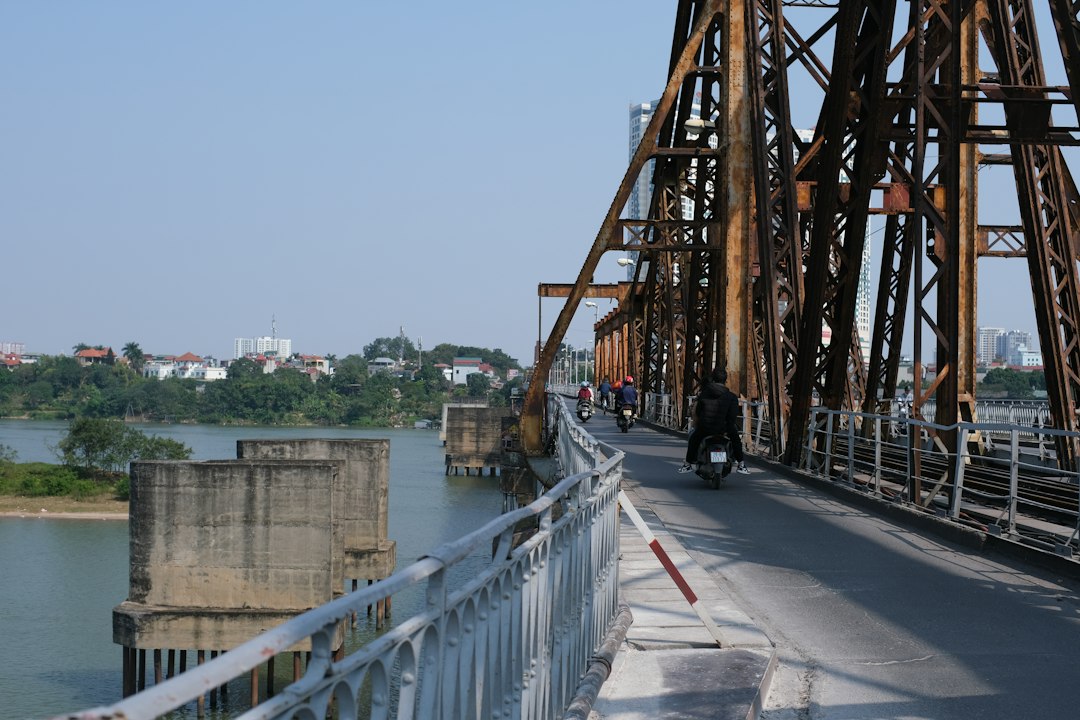
Long Biên Bridge is one of Hanoi’s most evocative pieces of infrastructure. The steel structure stretches across the Red River and still carries trains, motorbikes and bicycles. Walking partway across reveals a completely different scale of the city: riverbanks, fields, informal settlements and the skyline behind you.
Come in the early morning or around sunset for softer light. Stay on the pedestrian side, watch for bicycles and motorbikes, and do not step onto the railway tracks. The bridge is particularly rewarding for photographers.
Long Biên Bridge on Google Maps. Allow 45–90 minutes.
7. Hữu Tiệp Lake and the B-52 memorial site
Hữu Tiệp Lake sits inside a residential part of Ba Đình and feels very different from Hanoi’s monumental museums. The small lake is associated with the wreckage of a B-52 bomber from the 1972 air war, making it one of the city’s most unusual historical sites.
This is a neighborhood first and a visitor attraction second. Come quietly, avoid blocking entrances or photographing residents without permission, and combine the lake with the nearby museum if it is open. A morning visit is usually most peaceful.
Hữu Tiệp Lake on Google Maps. Allow 30–60 minutes.
8. Banana Island and the Red River edge
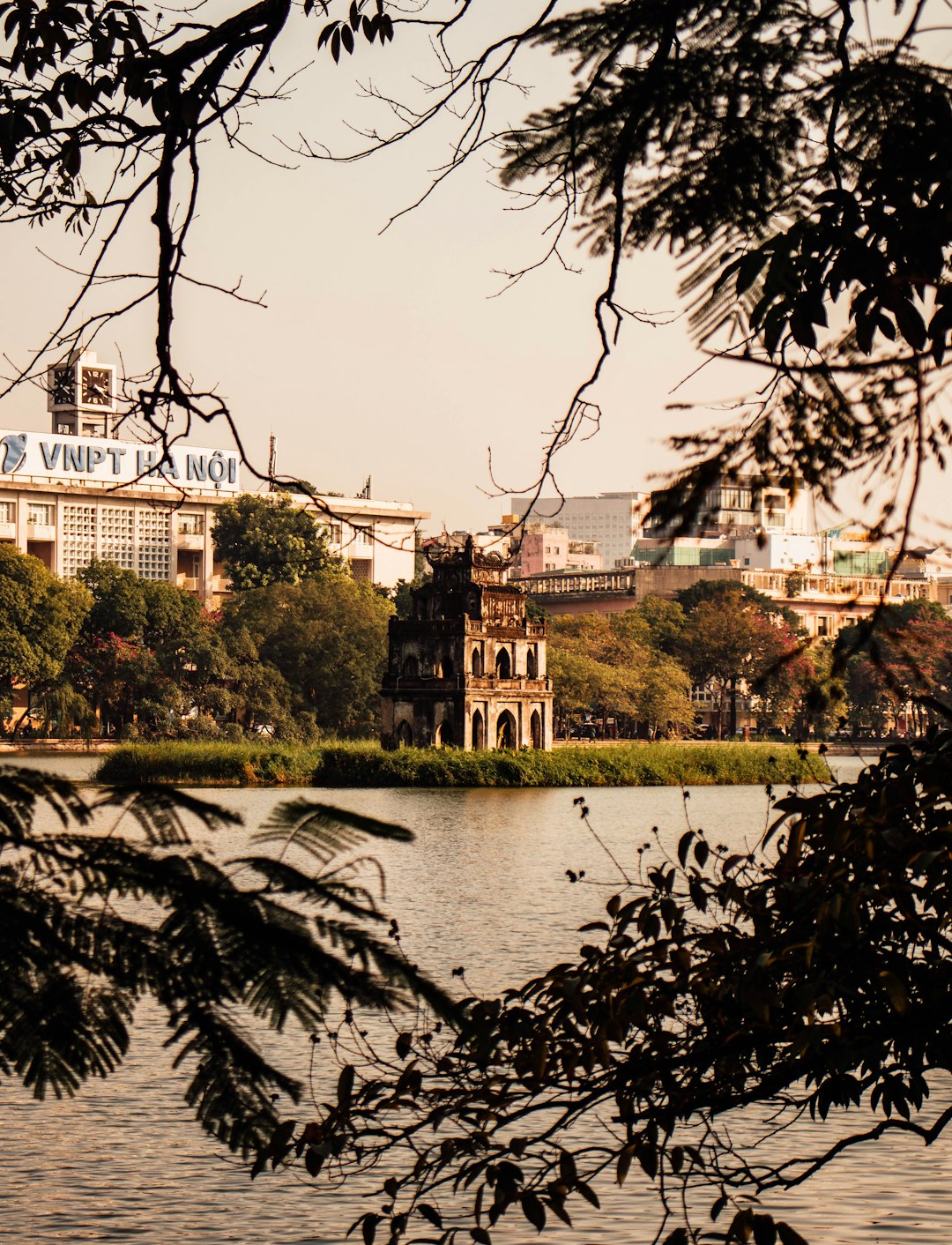
From Long Biên Bridge, look down toward the patchwork of farmland and paths on the Red River floodplain, often referred to by visitors as Banana Island. The contrast is striking: only minutes from the dense center, you suddenly see crops, banana trees and a far more rural landscape.
The easiest way to appreciate the area is from the bridge itself. Experienced walkers sometimes descend toward the riverbank, but paths can be muddy, access can change with weather and river levels, and the area is not designed as a formal tourist attraction. If in doubt, enjoy the view from above rather than forcing a route.
Red River / Banana Island area on Google Maps.
A half-day hidden-gems route
If you want to combine several stops without rushing, begin at Phùng Hưng Mural Street, continue through the Old Quarter to 87 Mã Mây and the small heritage sites around Hàng Buồm, then take a short Grab ride to Trúc Bạch for lunch. Finish at Long Biên Bridge in the late afternoon for views over the Red River.
For a second half-day, combine 19 December Book Street with Hữu Tiệp Lake and nearby Ba Đình. This spreads the guide over two very different parts of Hanoi rather than turning it into a checklist.
Video: walking Hanoi’s quieter corners
This walking tour gives a good visual sense of the Old Quarter beyond the obvious landmarks, including temples, markets and lesser-known streets.
How to find your own Hanoi hidden gems
- Walk one street beyond the obvious route. Many of Hanoi’s best details are in side lanes rather than on main tourist streets.
- Look through open courtyards and heritage entrances. Small temples, communal houses and old homes can be easy to miss.
- Go early. Morning is often the best time for neighborhood life, markets and photography.
- Use cafés as observation points. Upstairs cafés often reveal courtyards, rooftops and street views invisible from ground level.
- Be respectful. Some of the most interesting places in this guide are active residential or religious spaces.
Continue the Hanoi Traveler’s Guide 2026
This is Part 9: Hanoi Hidden Gems. Next: Part 10 — Essential Hanoi Experiences.